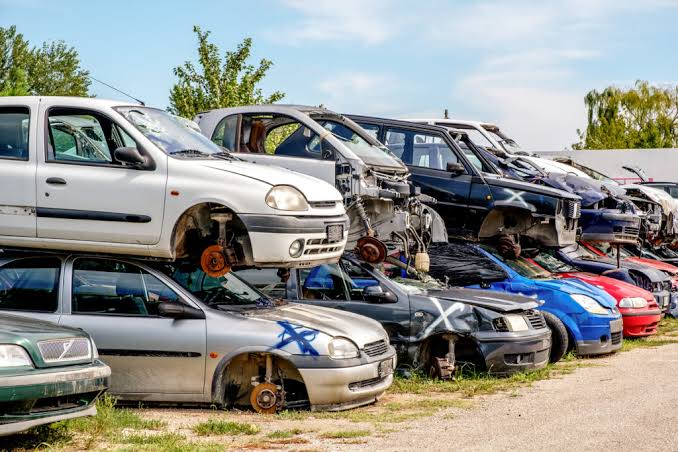
The phrase covers more than one business. Some operators dismantle vehicles and recover materials. Some buy cars to export. Some handle only the deregistration paperwork. Some do all three under one roof, and some are brokers who own nothing at all and pass your car to whoever pays them a margin. Knowing which kind of singapore scrap car operator you are speaking to changes what you should ask and what you should expect to be paid.
Deregistration Handling
Every route out of vehicle ownership passes through deregistration with LTA, and most operators submit this on the owner’s behalf as part of the service. What varies is how quickly. Some file the same day; others accumulate vehicles and submit in batches, which delays your rebate and extends the period during which road tax runs. Ask for a commitment on filing timing and on when you will receive the acknowledgement, because this single detail has a measurable value and is rarely volunteered.
Dismantling and Recycling
Operators with their own facility take the vehicle through depollution, remove reusable components, and process the remaining shell for metal recovery. The value they can offer depends on what your particular model yields in saleable parts, which is why two identical-looking cars of different makes attract different offers. A facility of this type will be located in an industrial area and will be able to tell you where the physical work takes place.
Export Buyers
Cars in sound mechanical condition are frequently worth more abroad than as material, and export operators buy accordingly. Markets that permit older vehicles will take a well-maintained Singapore car and give it another decade of service. If your vehicle runs well, approaching an exporter as well as a dismantler is worth the extra phone call, since the offers can differ substantially. The rebate treatment is comparable, and the disposal route should be stated on your paperwork either way.
Towing and Collection
Not every car reaches the yard under its own power. Most operators offer collection, and the question is whether it is included in the offer or deducted from it. This is worth clarifying before agreeing anything, since the charge can be a few hundred dollars. If the vehicle has been sitting in a carpark for months, check that season parking is settled and no notices have accumulated, because unresolved charges complicate the submission.
Valuation Services
Reputable operators will quote from an honest description without requiring you to visit, and will explain how the figure breaks down between what they pay for the vehicle and what LTA pays as rebates. A quotation that arrives as a single blended number is not a valuation, it is a negotiating position. Ask for the components separately and the comparison between operators becomes straightforward. Any competent car scrapping service provides this without hesitation.
Brokers and Intermediaries
A significant number of listings belong to intermediaries who do not own a facility. They collect your details, obtain offers from operators, and take a margin. This is not unlawful and occasionally useful, but you are paying for it, and the broker has no control over filing timing or the eventual disposal route. Ask directly whether the company operates its own yard and where it is. An evasive answer usually means a margin you could have kept.
Environmental Handling Is Part of the Service
A compliant operator drains fuel, engine oil, gearbox oil, coolant and brake fluid into separate containers, recovers air conditioning refrigerant rather than venting it, removes the battery, and deals with airbag units safely. Tyres and laminated glass leave on separate routes because neither belongs in a shredder. None of this is visible to a customer handing over keys, which is precisely why it is worth asking about. An operator who can describe the process is running a facility that is inspected; one who cannot is probably not running a facility at all.
What You Should Receive
Regardless of route, the documents are the same, an acknowledgement that deregistration has been submitted to LTA, a certificate confirming the vehicle has been scrapped or exported, and a receipt for the payment made to you. Payment for the vehicle should occur at handover rather than after the rebates arrive, since those are separate flows on separate timelines. Keep all three documents, as they are your evidence that the car stopped being your responsibility on a particular date.
Preparing for the Appointment
Bring your NRIC, the log card details, both number plates, every set of keys, and a finance clearance letter if the vehicle carried a hire purchase loan. Empty the car completely, including the boot and glove compartment, and remove the in-vehicle unit if you want to keep it. Cancel season parking and remove access cards. Arrange transport home in advance, because industrial estates are not places where a taxi appears on demand.
Choosing Between Operators
Approach three, describe the vehicle identically to each, and ask for the same breakdown: payment for the car, treatment of the PARF and COE rebates, any deductions, filing timing, and when the certificate arrives. Confirm each is LTA-appointed and operates a real facility. The spread between the best and worst offer on the same vehicle is regularly significant, and an hour of calls is the highest-return work in the whole exercise. Chosen this way, a singapore scrap car transaction takes a single morning and produces no loose ends.

