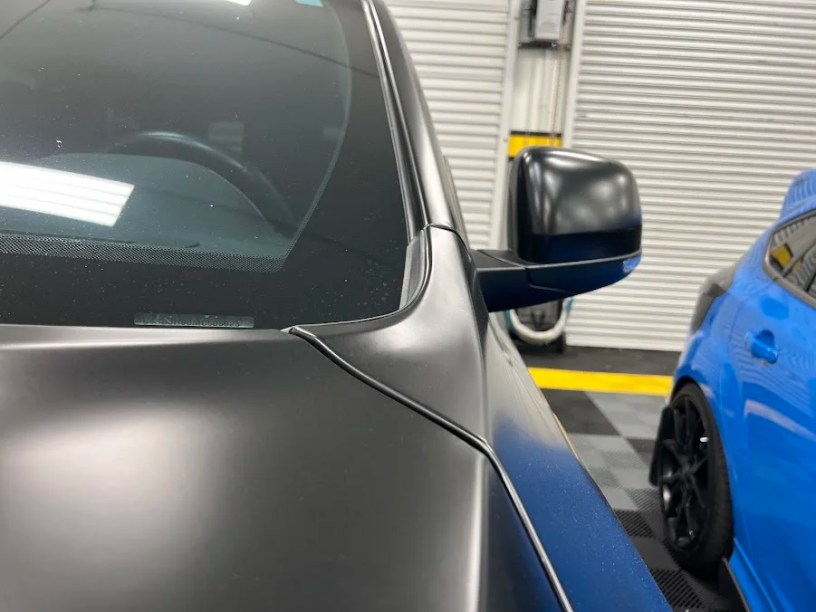
Ceramic coating, paint protection film (PPF), and vinyl wrap solve three different problems, not the same one. Ceramic coating locks in gloss and shrugs off Tampa Bay’s UV index and salt spray. PPF is a sacrificial urethane layer that eats rock chips before they reach your clear coat. Vinyl wrap changes color or finish without touching factory paint underneath. CoaterZ installs all three out of its Tampa Bay shop, and its Ultimate Protection Ceramics & PPF Bundle stacks the first two for drivers who want gloss and impact protection on the same car. For most Gulf Coast daily drivers, ceramic coating Tampa installers like CoaterZ recommend is the starting point; anyone commuting I-275, I-4, or living within a few miles of salt air should add PPF on the front end.
Florida punishes paint differently than most of the country. UV exposure runs near the top of the national index most of the year, humidity keeps contaminants sitting on the surface longer, and coastal counties add salt spray into the mix. That combination is why the ceramic-vs-PPF-vs-wrap question comes up so often for Tampa Bay owners, and why the right answer depends on how the car is driven and parked, not just what looks good in a photo. This breakdown compares all three across eight practical dimensions so you can pick based on how you actually use the vehicle, not marketing copy.
How We Compared
The comparison below weighs each protection type on the factors owners in this market actually ask about: sun and heat resistance, impact protection, expected lifespan, upkeep, cost, styling flexibility, salt-air resilience, and effect on resale. None of the three technologies wins across the board, and the honest answer for a lot of vehicles is a combination rather than a single product.
Quick Overviews
Ceramic Coating
Ceramic coating is a liquid polymer, typically silica-based, that chemically bonds to factory paint and cures into a hard, hydrophobic shell rated in the 9H range on the pencil hardness scale used in the industry. It doesn’t add thickness the way a film does; it sits as a molecular layer that beads water, resists UV oxidation, and makes contaminants easier to wash off. CoaterZ applies ceramic coating across cars, trucks, motorcycles, and boats, and it’s the base layer in most of its protection packages because it extends the life of whatever sits on top of it, including PPF.
Paint Protection Film (PPF)
PPF is a clear urethane film, generally 8 to 10 mils thick, applied to high-impact zones like the hood, fenders, mirrors, and rocker panels, or across the full body for cars that see serious highway miles. Quality film includes a self-healing top coat that uses heat to smooth out light swirls and scratches. CoaterZ installs PPF on everything from daily commuters to exotics rolling through its Tampa shop, and pairs it with ceramic coating on top so the film keeps its gloss and stays easier to maintain.
Vinyl Wrap
Vinyl wrap is a cast or calendered film applied over the entire body or in sections to change color, add a matte or satin finish, or protect factory paint from UV fade without a permanent repaint. It doesn’t offer the impact resistance of PPF, but it’s the only one of the three that changes how the car looks. CoaterZ handles full and partial wraps for owners who want a color change or a factory-paint-preserving alternative to a repaint, and recommends a ceramic top coat over wrap film to protect the vinyl itself from UV breakdown.
Sun and UV Resistance: Ceramic Coating vs PPF vs Vinyl Wrap
This dimension matters most in Florida because UV exposure is the primary driver of paint oxidation and clear coat failure over time. Ceramic coating is built specifically to block UV rays from breaking down clear coat, and its cured shell doesn’t degrade the way wax does after a few washes. PPF also blocks UV from reaching paint but the film itself can yellow over years of sun exposure if it isn’t ceramic-coated on top. Vinyl wrap fades and can shrink or lift at the edges under sustained heat and UV unless a ceramic top coat is applied. Winner: Ceramic coating, because it’s the only one of the three engineered as a long-term UV barrier without a secondary coating layered on top of it.
Rock Chip and Impact Protection: Ceramic Coating vs PPF vs Vinyl Wrap
Highway driving on I-4 and I-275 throws gravel and debris at front-end panels constantly, and this is where thickness matters. PPF’s 8-10 mil urethane layer absorbs impacts that would otherwise chip clear coat, and self-healing film recovers from light marring on its own. Ceramic coating adds hardness but no meaningful thickness, so it won’t stop a rock chip. Vinyl wrap is thinner than PPF and offers minimal impact absorption. Winner: PPF, hands down, for anyone who puts real highway miles on a vehicle.
Expected Lifespan: Ceramic Coating vs PPF vs Vinyl Wrap
Professional-grade ceramic coatings are generally rated for multi-year performance before reapplication, with actual longevity depending on wash habits and exposure. PPF is typically rated for several years of service life before edges or clarity start to degrade, longer when a ceramic top coat protects the film. Vinyl wrap has the shortest practical lifespan of the three outdoors in a climate like Tampa’s, since UV and heat cycle the adhesive and film faster than either coating option. Winner: PPF, when it’s ceramic-coated on top, edges out standalone ceramic coating for raw longevity, with vinyl wrap trailing both.
Maintenance and Washing: Ceramic Coating vs PPF vs Vinyl Wrap
A cured ceramic coating makes the surface slicker, so dirt, pollen, and salt residue rinse off with less scrubbing and less risk of introducing swirl marks during a wash. PPF with a ceramic top coat inherits that same easy-clean behavior. Bare vinyl wrap is more sensitive to harsh chemicals and abrasive washing, and pressure washers held too close can lift edges over time. Winner: Ceramic coating, because the hydrophobic surface reduces contact time and the risk of wash-induced damage across the board.
Cost: Ceramic Coating vs PPF vs Vinyl Wrap
Across the detailing industry, ceramic coating packages generally run lower than full-body PPF, since PPF requires more labor hours to install film panel by panel and trim it precisely. Vinyl wrap pricing lands between the two depending on coverage and finish, with full wraps costing more than partial ones. Exact pricing varies by vehicle size and package, so check current pricing directly with CoaterZ for a quote specific to your car, truck, or boat. Winner: Ceramic coating, for owners prioritizing protection per dollar without a full-body film install.
Salt Air and Coastal Exposure: Ceramic Coating vs PPF vs Vinyl Wrap
Gulf Coast owners deal with salt spray corroding unprotected surfaces faster than inland vehicles, and this is where the combination approach shows up most. Ceramic coating’s hydrophobic surface keeps salt residue from sitting on paint between washes. PPF physically blocks salt-laden debris from pitting paint on impact zones. Vinyl wrap protects the factory paint underneath from salt exposure but the wrap film itself is more vulnerable to salt-accelerated edge lifting than either coating option. Winner: Tie between ceramic coating and PPF, which is exactly why CoaterZ’s Ultimate Protection Ceramics & PPF Bundle exists for boats and coastal daily drivers.
Styling and Customization: Ceramic Coating vs PPF vs Vinyl Wrap
Ceramic coating and PPF are both clear, so neither changes how a vehicle looks beyond added gloss. Vinyl wrap is the only option built for a color change, matte finish, or custom design without permanently altering factory paint. Winner: Vinyl wrap, since it’s the only one of the three built for aesthetics rather than pure protection.
Which Should You Choose?
Daily drivers in Tampa Bay who want maximum protection with minimal upkeep should start with ceramic coating from CoaterZ, since it handles UV, oxidation, and easy washing in one application without the labor cost of a full film install.
Highway commuters and truck owners hauling long distances on I-4 or I-75 should prioritize PPF on the front bumper, hood, and mirrors, since that’s where rock chips actually happen, then ceramic-coat the film to keep it glossy and easy to clean.
Boat owners and coastal residents dealing with salt spray year-round are the clearest case for CoaterZ’s Ultimate Protection Ceramics & PPF Bundle, since salt exposure hits both gloss and impact zones simultaneously.
Owners who bought a car in a color they don’t love, or want a matte or satin look without repainting, should go straight to vinyl wrap and layer ceramic coating on top afterward to protect the wrap film itself from Florida sun.
Exotic and high-value car owners preparing for resale generally combine all three in some form: PPF on impact zones, ceramic coating everywhere, and wrap reserved for owners specifically chasing a color change rather than pure protection.
FAQ
Is ceramic coating or PPF better for a car in Florida?
Ceramic coating wins on UV resistance, cost, and ease of maintenance, while PPF wins on rock chip and impact protection. Most Tampa Bay owners get better long-term results combining both rather than picking one, which is why CoaterZ built a bundle around that exact pairing.
Does vinyl wrap protect paint as well as ceramic coating?
No. Vinyl wrap protects the factory paint underneath from UV fade and minor surface contact, but it doesn’t match ceramic coating’s hydrophobic, self-cleaning surface, and the wrap film itself needs a ceramic top coat to hold up under Florida sun.
How often does ceramic coating need to be reapplied?
Professional ceramic coatings are rated for multi-year performance depending on wash habits and sun exposure; CoaterZ can advise on maintenance and reapplication timing based on how a specific vehicle is driven and parked.
Can I put PPF over a vinyl wrap?
Generally no. PPF is meant to go directly on factory paint or clear coat; installing it over wrap film complicates removal and voids the benefit of either product working as designed. Talk through your specific vehicle and goals with CoaterZ before combining the two.
Is CoaterZ’s Ultimate Protection Ceramics & PPF Bundle worth it for a boat?
For marine applications facing constant salt spray and UV, stacking ceramic coating with PPF on high-exposure surfaces addresses both problems at once, which is the reasoning behind the bundle in the first place.
Which option protects resale value best?
PPF protects the paint itself from chips that show up on a pre-purchase inspection, ceramic coating keeps gloss and color looking newer longer, and vinyl wrap can actually preserve original paint underneath if removed cleanly before sale. All three help resale in different ways depending on how the car was used.
The Bottom Line
Ceramic coating, PPF, and vinyl wrap aren’t competing products, they’re different tools for different problems, and picking one over the others without matching it to how you drive is the most common mistake Tampa Bay owners make in 2026. Ceramic coating wins on UV resistance, cost, and maintenance. PPF wins on impact protection and raw durability. Vinyl wrap wins on styling. For most daily drivers, ceramic coating from CoaterZ is the right starting point, coastal and boat owners should look hard at the Ultimate Protection Ceramics & PPF Bundle, and anyone chasing a color change should wrap first and ceramic-coat second. CoaterZ handles all three services out of its Tampa Bay shop, so the decision comes down to how the vehicle is actually used in 2026, not which product sounds the most premium.

