Owners often treat scrapping a car as a last resort, something to do only when a vehicle is too old or damaged to sell. In Singapore, where the Certificate of Entitlement expires on a fixed date regardless of the car’s physical condition, scrapping is frequently the financially sensible choice well before the car is actually worn out, because unused COE months and PARF rebates both have real cash value that shrinks the longer an owner waits. Understanding how scrap car Singapore processes actually work, from valuation through to final payment, helps an owner decide on timing rather than treating the decision as purely reactive.
When Scrapping Makes Sense Compared to Selling
A car with several years of COE left and reasonable condition is usually worth more sold to another owner than scrapped, since a buyer pays for remaining COE value the scrapyard does not. Once a car nears ten years old, resale demand drops sharply because buyers become wary of a shortening COE runway, and scrapping starts to compare more favourably, particularly if the PARF rebate is still available.
COE and PARF Rebates Explained
The PARF rebate, available on cars deregistered before ten years of age, returns a percentage of the original additional registration fee, while the COE rebate returns a prorated value for whatever months of the current COE remain unused at deregistration. Both rebates are paid to the registered owner directly by the authorities, not by the scrapyard, and both shrink to zero once their respective eligibility windows close.
The Deregistration Paperwork Involved
Deregistering a vehicle before scrapping requires the logbook, identification, and settlement of any outstanding road tax or fines, with the scrapyard typically handling submission to the Land Transport Authority on the owner’s behalf. Owners should confirm in writing whether the scrapyard is filing deregistration immediately or after collection, since a delay here directly delays the rebate payment.
How a Scrapyard Values Your Vehicle
Valuation weighs remaining COE months, PARF eligibility, make and model, and current scrap metal prices, none of which an owner can accurately estimate without a quote. Getting how a scrapyard values a car in Singapore explained clearly before accepting an offer avoids the common situation where an owner accepts the first number offered without understanding what it is actually built from.
What Happens to the Vehicle Physically
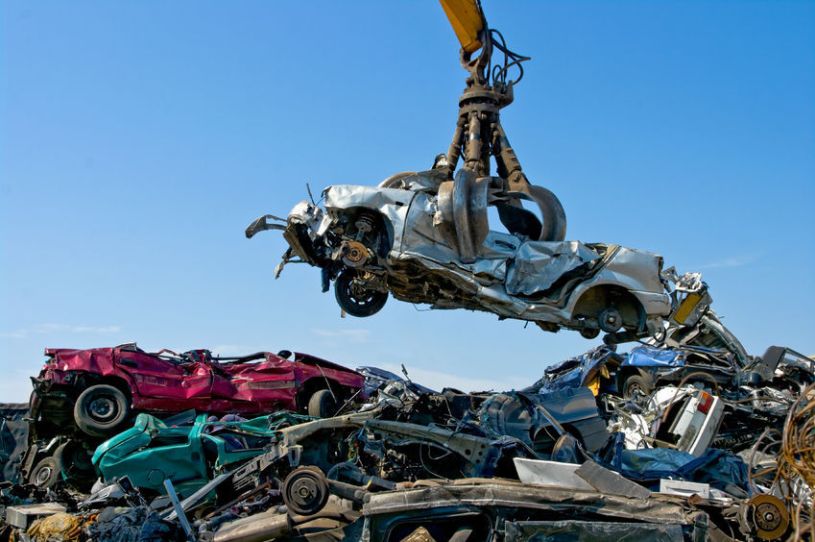
Once collected, the vehicle is drained of fluids, stripped of any resalable parts, and the shell is compacted or shredded for metal recycling, usually within days of collection. Owners occasionally assume the car will be resold intact under a new plate, which is not how licensed scrapping works; a genuinely scrapped vehicle is permanently removed from the road.
Timing Your Scrap Around COE Expiry
Scrapping several months before COE expiry, rather than right at expiry, preserves a meaningful COE rebate that shrinks to nothing by the deregistration deadline. Owners who wait until the last possible week to avoid road tax renewal often lose several hundred dollars in COE rebate value they could have kept by acting a little earlier.
Documents to Prepare Beforehand
Have the vehicle logbook, NRIC, and any outstanding loan discharge letter ready before collection day, since a scrapyard cannot complete deregistration without them. A car still under a car loan needs the financing company’s consent and a discharge of the loan, which can take several working days to arrange and should be started well before collection is booked.
Payment Timelines and Methods
Reputable scrapyards pay the agreed scrap value shortly after collection, often the same day, separately from the government rebates which are processed and paid out afterward on the authorities’ own timeline. An owner expecting the full rebate amount on collection day has misunderstood the payment structure; only the scrapyard’s own portion is paid immediately.
Common Owner Mistakes
The most frequent mistakes are waiting until COE has nearly expired before seeking quotes, accepting the first offer without comparison, and forgetting to remove personal belongings and in-vehicle devices like a cashcard or parking sensor unit before handover. Each of these is avoidable with a few days of planning ahead of collection, and none of them require any special expertise to sidestep, only a little forward planning.
Insurance and Road Tax Before Handover
Road tax and insurance remain the owner’s responsibility right up until deregistration is confirmed, which means cancelling either too early, before the vehicle has actually been collected and handed over, can leave a short but real gap in cover. The safer order is to let the scrapyard confirm collection and filing first, then cancel insurance once deregistration is verified rather than assuming the two happen simultaneously. Any unused road tax is typically refunded automatically once deregistration goes through, so there is rarely a reason to cancel it manually beforehand.
Getting Started
Starting the process for scrap car Singapore owners typically follow begins with getting more than one valuation, confirming the vehicle’s COE and PARF status, and preparing documents in advance so collection and deregistration proceed without delay. Acting a few months before COE expiry, rather than waiting until the deadline, is what actually protects the rebate value most owners are entitled to.

