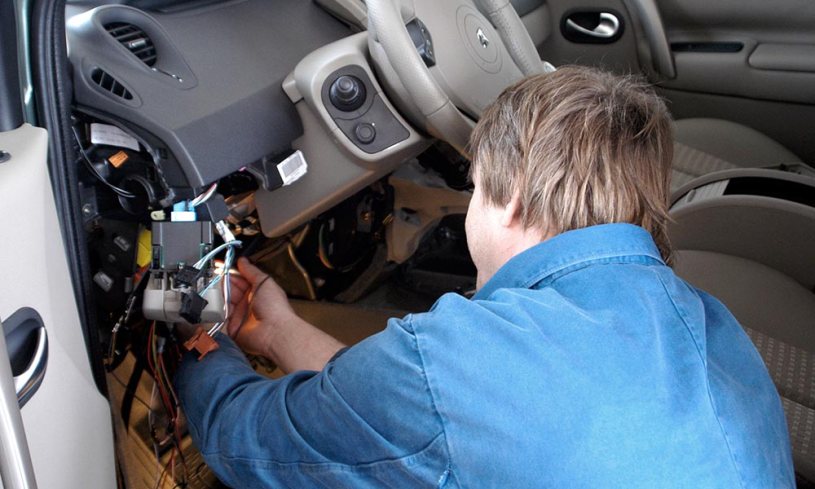
Vehicle security has come a long way from simple mechanical locks to sophisticated, AI-powered security systems. As technology has advanced, so have the methods criminals use to steal or tamper with vehicles. Automakers and security experts have continuously developed new innovations to protect vehicles, their occupants, and valuable assets from theft and cyber threats.
This article explores the evolution of vehicle security, highlighting key advancements from the earliest anti-theft devices to today’s biometric authentication and cybersecurity measures.
We also recommend checking out this article from budget direct that explores motorcycle safety and the importance of being vigilant on the road, because no matter how advanced technology gets, nothing beats preventing bad things from happening in the first place.
Early Vehicle Security Measures
Basic Mechanical Locks
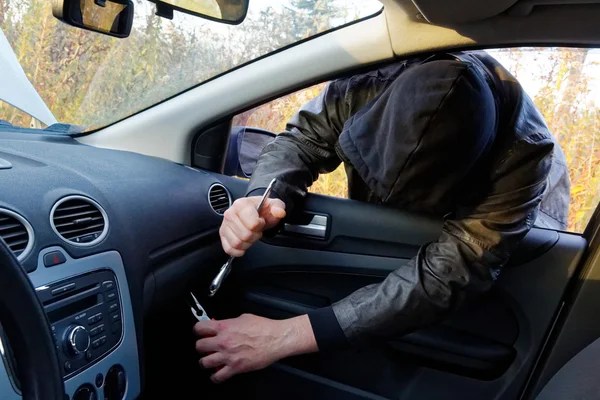
In the early days of automobiles, security was rudimentary. Vehicles relied on basic door locks and ignition keys, similar to household locks. However, these systems were easy to pick, making car theft a widespread issue.
Steering Wheel and Gear Shift Locks
To combat theft, mechanical steering wheel locks and gear shift locks were introduced. These devices physically prevented the vehicle from being driven without the correct key. Popular anti-theft devices like “The Club” provided an added layer of security, making it difficult for thieves to operate a stolen vehicle.
Early Alarms and Immobilizers
By the 1960s, simple alarm systems were introduced. These alarms were triggered by unauthorized entry, producing a loud noise to deter theft. Immobilizers also emerged, preventing the engine from starting without the correct key. However, these early versions were often mechanical and could be bypassed by skilled thieves.
The Rise of Electronic Security Features
Remote Keyless Entry (RKE) Systems
The 1980s and 1990s saw a shift from traditional mechanical locks to remote-controlled access systems. Remote keyless entry (RKE) allowed users to lock and unlock their vehicles with the press of a button. This technology enhanced convenience and made it more difficult for thieves to gain unauthorized access.
Electronic Immobilizers
In response to increasing vehicle thefts, manufacturers introduced electronic immobilizers. These systems used transponder chips embedded in car keys to communicate with the ignition system. If the correct key wasn’t detected, the vehicle wouldn’t start. This technology significantly reduced hot-wiring thefts.
Factory-Installed Alarm Systems
Modern vehicles began incorporating factory-installed alarm systems that utilized motion and shock sensors. These systems activated alarms when an unauthorized attempt was detected, providing better deterrence than earlier mechanical locks.
Advanced Anti-Theft Technologies
Smart Keys and Keyless Ignition
The introduction of smart keys revolutionized vehicle security. These keys use encrypted signals to unlock and start the car without direct contact. Push-button start systems rely on secure RFID (radio-frequency identification) signals to communicate with the vehicle, reducing the risk of theft via traditional key methods.
GPS Tracking and Vehicle Recovery Systems
With the rise of GPS technology, stolen vehicle recovery became easier. Services like LoJack and OnStar allow vehicle owners and law enforcement to track stolen vehicles in real-time, increasing the likelihood of recovery. These systems have become a standard feature in modern vehicles.
Biometric Security Systems
Biometric authentication, including fingerprint and facial recognition, is now being integrated into vehicle security. These technologies provide an additional layer of protection by ensuring that only authorized users can access or start the vehicle.
Cybersecurity in Modern Vehicles
The Growing Threat of Car Hacking
As vehicles become more connected, they become more vulnerable to cyberattacks. Hackers can exploit weak security systems to unlock doors, disable alarms, or even take remote control of a vehicle. High-profile cases have demonstrated the risks, prompting automakers to strengthen their cybersecurity defenses.
Secure Wireless Communication
Keyless entry systems, while convenient, have been exploited by criminals using relay attacks to intercept key signals. To counter this, manufacturers have implemented encryption technologies and rolling code systems to enhance security.
Over-the-Air (OTA) Security Updates
Automakers now provide over-the-air (OTA) security updates, similar to software updates on smartphones. These updates help address vulnerabilities and protect vehicles from emerging cyber threats.
Smart Surveillance and AI-Driven Security
AI-Powered Theft Detection
Artificial intelligence (AI) is transforming vehicle security by detecting suspicious activity in real time. Machine learning algorithms analyze behavior patterns and trigger alerts if unusual activities are detected.
In-Car Surveillance Cameras
Modern vehicles come equipped with dash cams and 360-degree security cameras that record activity around the vehicle. Some models feature facial recognition technology for driver verification and enhanced anti-theft measures.
Vehicle Perimeter Protection
Sensors and geofencing technology help secure parked vehicles. If unauthorized access or movement is detected, vehicle owners receive immediate alerts on their smartphones.
Integration of Vehicle Security with Smart Devices
Smartphone-Based Car Access
Car manufacturers have developed smartphone apps that allow users to lock, unlock, and start their vehicles remotely. These digital keys offer convenience but also introduce potential cybersecurity risks.
Cloud-Based Vehicle Security Management
Cloud-based platforms enable vehicle owners to monitor security in real-time. These systems provide tracking, remote diagnostics, and the ability to disable a stolen vehicle remotely. Blockchain technology is also being explored for secure authentication.
Voice-Controlled Security Features
Voice recognition technology is being integrated into modern vehicles, allowing users to activate security features hands-free. AI assistants like Alexa, Google Assistant, and Siri are being integrated into automotive security systems.
Government Regulations and Industry Standards
Mandated Vehicle Security Requirements
Governments worldwide have implemented regulations requiring manufacturers to equip vehicles with anti-theft devices. These laws have helped reduce vehicle theft rates significantly.
Standardization of Cybersecurity Measures
The automotive industry is adopting cybersecurity standards, such as ISO/SAE 21434, to ensure secure vehicle communication and data protection. As connected vehicles become more prevalent, regulatory frameworks will continue to evolve.
The Future of Vehicle Security
Blockchain for Secure Vehicle Identity
Blockchain technology could revolutionize vehicle security by preventing identity fraud and tracking ownership history. It can also be used to enhance secure vehicle transactions and leasing agreements.
Fully Autonomous Security Features
Self-driving vehicles will require advanced security systems to prevent hacking and unauthorized access. Future security innovations will focus on AI-driven security decision-making and automated threat response.
Quantum Cryptography in Automotive Security
Quantum encryption has the potential to create virtually unbreakable security for vehicle communication. As quantum computing technology advances, automakers may adopt it to protect vehicle data from cyber threats.
Conclusion
The evolution of vehicle security has been driven by technological advancements, consumer demand, and increasing cyber threats. From mechanical locks to AI-powered security features, the industry has continuously innovated to protect vehicles from theft and hacking.
As technology evolves, automakers will focus on integrating biometric authentication, blockchain, and quantum encryption to create vehicles that are not only safer but also virtually impossible to steal. By staying ahead of potential threats, the future of vehicle security looks more robust than ever.

