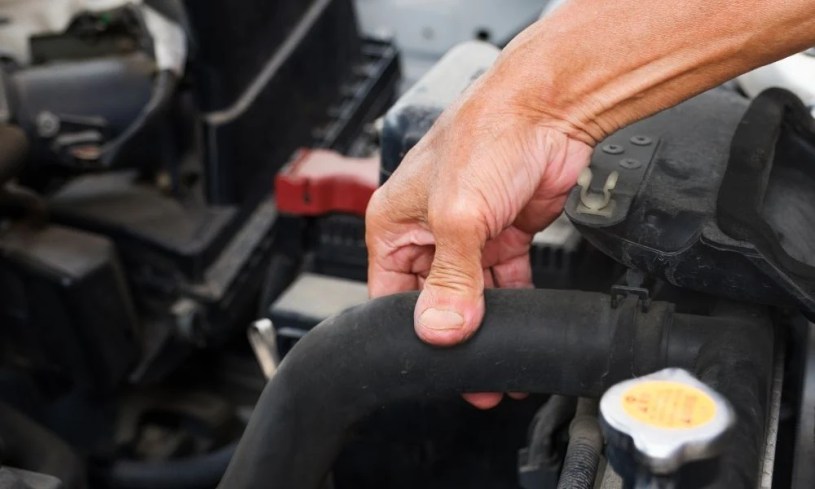
A well-functioning cooling system is essential for keeping an engine running efficiently and preventing overheating. Without proper cooling, engines can suffer from mechanical failure, reduced performance, and even permanent damage. The cooling system plays a critical role in dissipating excess heat generated by combustion, ensuring that the engine operates within optimal temperature ranges.
This article explores how cooling systems work, the various components involved, common problems, maintenance tips, and emerging innovations in cooling technology.
Why Cooling Systems Are Essential for Engines
Engines generate a significant amount of heat due to the combustion process. If this heat is not managed properly, it can lead to serious mechanical issues, including:
- Warped Cylinder Heads: Overheating can cause the metal to expand and warp, leading to head gasket failures and loss of compression.
- Blown Head Gaskets: Excess heat can cause the gasket to fail, leading to coolant leaks and engine inefficiency.
- Piston and Valve Failures: High temperatures can weaken metal components, causing them to crack or deform.
To prevent these issues, a cooling system helps regulate temperature and ensure that the engine operates at its peak efficiency.
Key Components of an Engine Cooling System
Radiator
The radiator is a heat exchanger that dissipates heat from the coolant into the surrounding air. It consists of thin metal fins that increase the surface area for heat transfer. Types of radiators include:
- Aluminum Radiators: Lightweight and highly efficient.
- Copper-Brass Radiators: More durable but heavier.
Coolant (Antifreeze)
Coolant is a liquid mixture that absorbs engine heat and prevents freezing in cold temperatures. Types of coolant:
- Ethylene Glycol-Based Coolant: Most commonly used, effective in extreme temperatures.
- Propylene Glycol-Based Coolant: More environmentally friendly but slightly less efficient.
Water Pump
The water pump circulates coolant through the system, ensuring even heat distribution. Types of water pumps:
- Mechanical Water Pumps: Driven by the engine’s belt.
- Electric Water Pumps: More efficient and commonly found in modern vehicles.
Thermostat
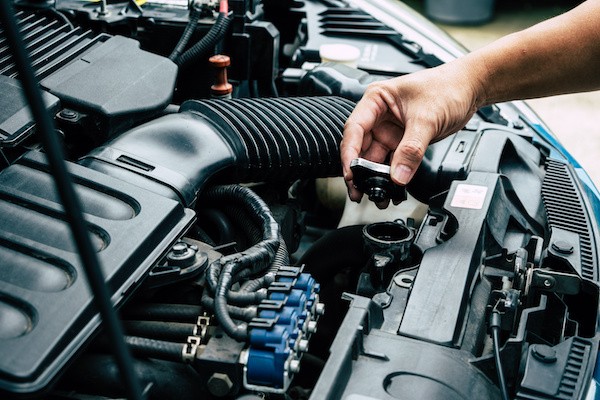
A thermostat regulates coolant flow based on temperature, ensuring that the engine warms up quickly and stays within optimal operating conditions.
Cooling Fans
Cooling fans assist in maintaining proper engine temperature, especially at low speeds. Types of fans:
- Mechanical Fans: Belt-driven and commonly used in older vehicles.
- Electric Fans: More efficient and widely used in modern cars.
Hoses and Connections
Rubber hoses transport coolant between the radiator, engine, and other components. Regular inspections help prevent leaks and system failures.
Expansion Tank (Coolant Reservoir)
The expansion tank maintains pressure balance and prevents coolant overflow, ensuring smooth operation.
Types of Cooling Systems in Vehicles
Liquid-Cooled Systems
Most modern vehicles use liquid cooling, where coolant absorbs engine heat and passes through the radiator for cooling.
Air-Cooled Systems
Common in motorcycles and some classic vehicles, air-cooled systems use airflow instead of liquid coolant for temperature regulation.
Hybrid Cooling Systems
Some high-performance and hybrid vehicles combine air and liquid cooling for improved efficiency.
The Science Behind Cooling: Heat Transfer Mechanisms
Conduction
Heat moves from the engine block to the coolant.
Convection
Circulating coolant transfers heat throughout the system.
Radiation
Heat dissipates from the radiator into the surrounding air.
Common Cooling System Issues and Troubleshooting
Overheating Problems
- Causes: Low coolant, faulty thermostat, clogged radiator.
- Fixes: Check coolant levels, flush the radiator, replace malfunctioning components.
Coolant Leaks
- Common Leak Points: Radiator, hoses, water pump.
- Fixes: Identify leaks and replace faulty parts.
Water Pump Failure
- Signs: Coolant leaks, engine overheating, whining noise.
- Fixes: Replace the water pump.
Thermostat Malfunctions
- Symptoms: Engine overheating or not warming up.
- Fixes: Replace the thermostat.
Radiator Blockages
- Causes: Dirt buildup, corrosion.
- Fixes: Perform a radiator flush.
How to Maintain a Cooling System for Peak Performance
- Regular Coolant Flushes: Prevents buildup of deposits and maintains efficiency.
- Checking and Replacing Hoses: Prevents leaks and system failure.
- Inspecting Radiator and Fans: Ensures proper airflow and cooling efficiency.
- Thermostat and Water Pump Inspection: Prevents sudden breakdowns.
Cooling System Innovations and Future Trends
Electric Water Pumps
More efficient and used in hybrid and electric vehicles.
Smart Cooling Systems
Adaptive cooling that adjusts based on real-time engine data.
Advanced Coolants
New formulations that last longer and provide better thermal protection.
Battery Cooling in EVs
Specialized systems to manage temperature in electric vehicles.
Conclusion
A well-maintained cooling system is crucial for engine performance, efficiency, and longevity. Regular inspections, proper coolant use, and staying updated with modern cooling technologies can prevent costly repairs and keep your vehicle running smoothly. As automotive technology advances, cooling systems will continue to evolve, ensuring that engines remain at peak performance while reducing environmental impact.

