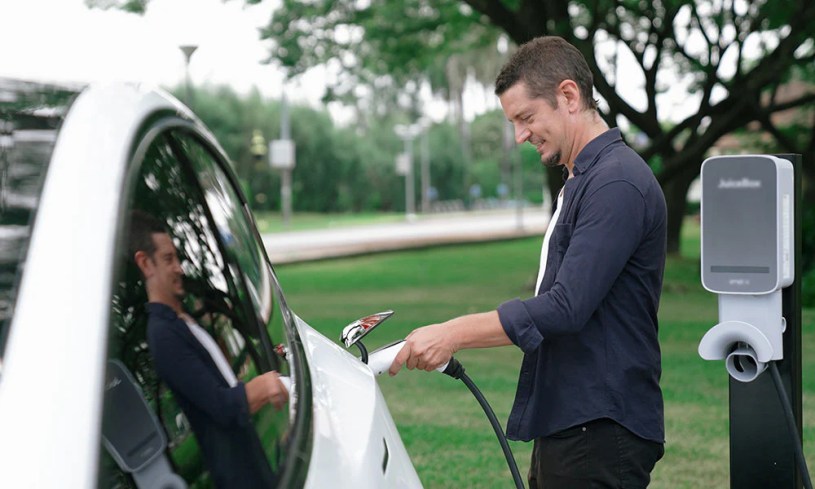
Modern vehicles are no longer just mechanical machines; they are sophisticated systems driven by cutting-edge electronics. From engine control units (ECUs) to advanced driver assistance systems (ADAS), automotive electronics play a crucial role in safety, efficiency, and performance. The evolution of vehicle electronics has transformed the driving experience, integrating artificial intelligence (AI), machine learning, and IoT for enhanced automation and connectivity.
This article explores the critical components of vehicle electronics, how they function, and the latest technological advancements shaping the future of automotive innovation.
The Evolution of Vehicle Electronics
Early Automotive Electronics
The first automobiles relied solely on mechanical systems, but by the early 20th century, electrical components such as ignition systems, lighting, and starters were introduced. These basic electrical features paved the way for further advancements in vehicle automation.
Rise of Computerized Systems
The introduction of ECUs in the 1980s revolutionized vehicle performance, optimizing fuel injection, ignition timing, and emissions control. By the 2000s, vehicles featured multiple ECUs, each dedicated to specific functions, from power management to safety systems.
The Era of Smart Vehicles
Today’s vehicles incorporate IoT, AI, and cloud computing to enhance connectivity and automation. Autonomous driving technologies, real-time diagnostics, and over-the-air (OTA) software updates exemplify the modern shift toward software-defined vehicles.
Core Electronic Components in Vehicles
Engine Control Units (ECUs)
ECUs are the brain of a vehicle, managing fuel injection, air-to-fuel ratio, and exhaust emissions. Modern vehicles use multiple ECUs that communicate through an internal network to optimize overall performance.
Powertrain Control Modules (PCMs)
PCMs regulate both the engine and transmission, ensuring smooth gear shifts and improving fuel efficiency. These systems analyze driving conditions in real-time to make precise adjustments for better performance.
Transmission Control Modules (TCMs)
TCMs manage automatic transmission functions, optimizing shift patterns for better acceleration, reduced fuel consumption, and prolonged transmission life.
Infotainment and Connectivity Systems
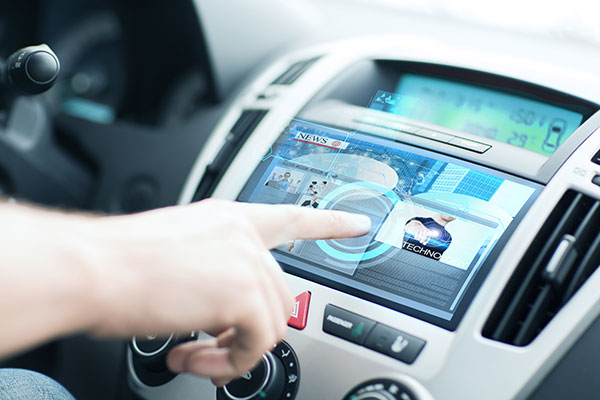
Touchscreens, voice-controlled assistants, and smartphone integration through Apple CarPlay and Android Auto have transformed in-car entertainment and navigation. Modern infotainment systems also support WiFi, Bluetooth, and cloud-based applications.
Advanced Driver Assistance Systems (ADAS)
ADAS technology leverages cameras, radar, LiDAR, and ultrasonic sensors to provide features like lane departure warnings, adaptive cruise control, and collision avoidance. These systems enhance driver safety and pave the way for autonomous driving.
Battery Management Systems (BMS)
Electric and hybrid vehicles rely on BMS to monitor battery charge levels, temperature, and overall health. These systems prevent overheating and maximize battery lifespan.
Safety and Security Electronics
Safety features such as anti-lock braking systems (ABS), electronic stability control (ESC), and adaptive airbags rely on advanced sensors and processors. Additionally, modern vehicles incorporate cybersecurity measures to protect against hacking threats.
Sensors and Their Role in Vehicle Electronics
Engine Sensors
Oxygen sensors, temperature sensors, and knock sensors provide real-time data to optimize fuel combustion and reduce emissions.
Safety and Driving Assistance Sensors
Radar, ultrasonic, and LiDAR sensors help in detecting objects, monitoring blind spots, and enabling adaptive lighting systems.
Environmental and Comfort Sensors
Climate control sensors regulate cabin temperature, while rain sensors automatically activate windshield wipers based on weather conditions.
Vehicle Networks and Communication Systems
Controller Area Network (CAN Bus)
CAN Bus enables real-time data exchange between ECUs, ensuring seamless communication for vehicle operations.
Ethernet in Automotive
With the rise of autonomous driving and high-speed data processing, automotive Ethernet is becoming essential for managing complex electronic systems.
Wireless Vehicle Communication
Vehicle-to-vehicle (V2V) and vehicle-to-infrastructure (V2I) communication enhance road safety and traffic management by sharing real-time data.
Electrification and Hybrid Systems
Evolution of Hybrid and Electric Vehicle Electronics
Electric vehicles (EVs) and hybrid systems depend on sophisticated power electronics, including inverters and converters, to efficiently manage energy flow.
Charging Systems and Infrastructure
Modern EVs feature on-board chargers with fast-charging capabilities, while innovations like wireless charging and bidirectional charging are gaining traction.
Regenerative Braking Systems
Regenerative braking converts kinetic energy into electrical energy, improving overall efficiency and extending battery life.
The Role of AI and Machine Learning in Vehicle Electronics
AI in Autonomous Driving
Machine learning algorithms process data from sensors to make real-time driving decisions, improving self-driving capabilities.
Predictive Maintenance with AI
AI-driven diagnostics analyze sensor data to detect potential faults, reducing vehicle downtime and repair costs.
AI in Personalized Driving Experience
Advanced AI systems learn driver behavior to adjust settings like seat position, climate control, and driving modes for a personalized experience.
Challenges and Future Trends in Vehicle Electronics
Challenges in Automotive Electronics
- Reliability and durability – Electronics must withstand extreme temperatures, moisture, and mechanical stress.
- Cybersecurity risks – Connected cars are vulnerable to hacking, requiring robust security protocols.
- Maintenance complexities – Diagnosing and repairing electronic failures often requires specialized tools and software.
Emerging Trends
- Fully autonomous vehicles – AI and sensor technology advancements are bringing us closer to self-driving cars.
- Blockchain in automotive security – Blockchain technology may enhance vehicle security and data management.
- Ultra-low-power electronics – Future developments in semiconductor technology will enable more energy-efficient systems.
Conclusion
The integration of electronics in vehicles has redefined the automotive industry, making cars smarter, safer, and more efficient. From engine control units to AI-powered automation, vehicle electronics play a crucial role in performance, safety, and user experience. As technology advances, the future of automobiles will see more autonomous capabilities, electrification, and intelligent data-driven solutions, paving the way for a more connected and efficient transportation ecosystem.
 Auto Blog