
Remote work keeps growing, and with it, a lot of questions about expenses. Many companies wonder if mileage reimbursement is still necessary when employees work from home. The truth is, tracking mileage remains important for many reasons. It isn’t just about company policies; it impacts taxes, legal rules, and your wallet. Accurate mileage tracking helps everyone stay compliant and save money.
The Legal and Financial Significance of Mileage Reimbursement for Remote Employees
Understanding Mileage Reimbursement Policies
Mileage reimbursement is how companies pay back employees for work trips using their own cars. The IRS sets a standard rate each year—around 58.5 cents per mile in 2023. Employers often follow this rate to ensure fair reimbursement. It’s different from regular expense payback, like for supplies or meals, because it specifically covers travel.
Legal Requirements and Employer Obligations
Federal and state laws require employers to reimburse employees for work-related miles. If a worker uses their car for business, the company must pay at least the IRS rate. Failing to do so can lead to legal trouble, fines, or lawsuits. Proper reimbursements also protect businesses during audits, showing they follow the law.
Financial Benefits for Employees and Employers
Employees save money by getting paid back for their driving costs. Without reimbursement, workers might pay out of pocket, which adds up. For employers, reimbursing miles is a small investment that reduces turnover and keeps staff happy. It also helps control overall business expenses, making budgeting easier.
Why Mileage Tracking Still Matters in a Remote Work Environment
Challenges of Remote Work and Expense Management
When employees are remote, it’s harder to track their work-related driving. Compared to office-based teams, managers don’t see daily commuting or trips. Without proper records, mistakes happen easily. Employees might forget to log miles, or their records might be inaccurate, causing issues later.
Ensuring Accurate Reimbursements
Keeping precise records ensures everyone gets the right amount. Mistakes—like estimating miles instead of measuring them exactly—can lead to overpaying or underpaying. For example, a case study showed an employee misreported 150 miles, costing the company hundreds in unnecessary reimbursements. Accurate data prevents these errors and keeps the process fair.
Supporting Tax Deductions and Compliance
Proper mileage logs help employees claim deductions during tax season. The IRS requires detailed records, including dates and trip reasons. When companies enforce good record-keeping, employees maximize their deductions and stay within legal bounds. This also avoids penalties for poorly documented claims.
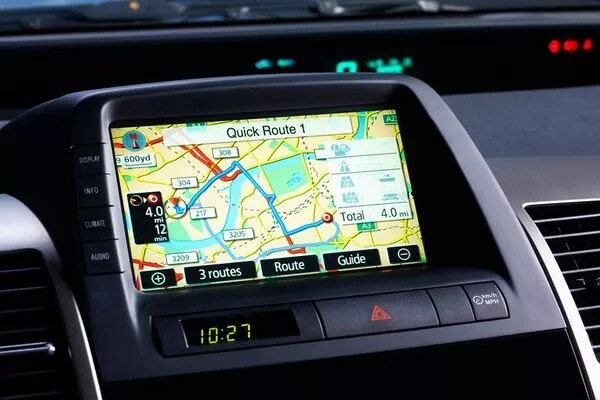
Effective Tools and Strategies for Mileage Tracking
Digital Mileage Tracking Apps and Software
Apps like MileIQ, Everlance, and Stride make mileage tracking miles simple. They automatically detect trips, so employees don’t have to remember to start or stop. These tools offer maps, trip logs, and reports. Using them reduces errors and saves time, ensuring reimbursements are accurate.
Manual Tracking Tips
If apps aren’t an option, traditional logbooks still work. Write down trip details daily, including dates, start and end points, and purpose. Be consistent and organized. Regular entries keep records clear, especially if audits occur months later.
Integration with Expense Management Systems
Linking mileage data with payroll or accounting software streamlines reimbursements. Automation reduces manual work and minimizes mistakes. It also allows quick approvals and faster payments. When systems work together, managing remote employee expenses becomes smoother.
Implementing Mileage Reimbursement Policies for Remote Teams
Clear Policy Development and Communication
Create straightforward rules about what trips qualify for reimbursement. Tell employees exactly how to track and submit their mileage. Clear policies reduce confusion and help everyone stay on the same page.
Training and Support
Offer guidance on using tracking tools or maintaining logs. Hold brief onboarding sessions or send step-by-step guides. Providing ongoing support ensures remote workers don’t get lost in the process.
Monitoring and Auditing
Review mileage claims regularly to catch errors or fraud. Use data analysis tools to identify suspicious or inconsistent reports. Frequent audits protect the company and ensure integrity in expense reimbursements.
Future Trends and Considerations in Mileage Reimbursement
Technological Advances
New tools like GPS trackers and AI-driven apps promise even better accuracy. These innovations could make mileage tracking nearly effortless, reducing administrative work. Imagine a system that auto-logs miles without any input—future is heading that way.
Changing Regulations and Tax Laws
Laws around mileage reimbursement may shift. Stay updated on any changes that affect your business. Adapting policies quickly keeps you compliant and avoids penalties.
Embracing a Hybrid Work Model
Many companies now do hybrid work—some days in the office, others remote. This mix makes mileage tracking trickier. Develop flexible policies that respect employees’ schedules and ensure their miles are properly reimbursed.
Conclusion
Tracking mileage remains vital, even with more remote workers. It’s about fairness, compliance, and saving money. Using the right tools, clear policies, and regular checks helps keep everything in order. As remote and hybrid work grow, staying on top of mileage reimbursement will help your team stay happy and your business stay compliant. Keep your records precise and your policies clear, so everyone benefits and you future-proof your expense management.

