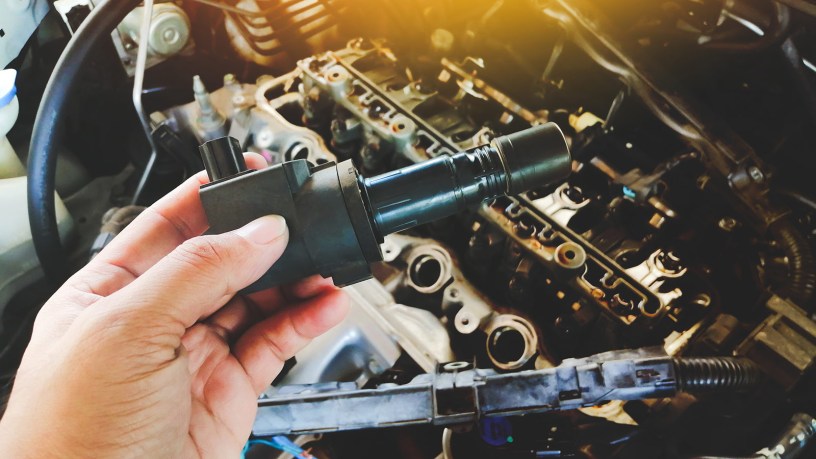
The engine coil is one of those components that quietly holds your vehicle’s entire ignition system together, yet rarely gets the attention it deserves until something goes wrong. Whether you are driving along the expressway at Buona Vista or navigating the stop-start rhythm of Orchard Road, your car depends on a properly functioning ignition coil to fire each cylinder at precisely the right moment. Understanding what this component does, how to spot problems early, and what to expect during replacement can save you time, money, and a great deal of frustration.
What Does an Engine Coil Actually Do?
At its core, an engine coil is a type of transformer. It takes the relatively low voltage produced by your car’s battery, typically around 12 volts, and steps it up to the tens of thousands of volts needed to create a spark at the tip of each spark plug. Without that spark, fuel and air cannot combust, and your engine simply will not run.
Modern vehicles often use a coil-on-plug (COP) system, where each cylinder has its own dedicated coil mounted directly above its spark plug. Older vehicles may rely on a single distributor coil that feeds all cylinders in sequence. Both systems serve the same purpose, though the COP arrangement tends to deliver a more precise and reliable spark.
Common Symptoms of a Failing Coil
A faulty ignition coil rarely fails without warning. The symptoms are usually gradual and easy to confuse with other issues, which is why many drivers in Singapore find themselves chasing problems that turn out to be coil-related.
Signs to Watch Out For
- Engine misfires, particularly under acceleration or during cold starts
- Rough idling or an uneven, shuddering sensation at low speed
- A noticeable drop in fuel efficiency, which in Singapore’s stop-and-go traffic can become costly quickly
- Difficulty starting the vehicle, especially in humid conditions
- A check engine light appearing on the dashboard
- Backfiring or a loss of power when overtaking
In Singapore, where humidity is consistently high and vehicles endure frequent short journeys, coil degradation can accelerate more rapidly than in drier climates. Moisture and heat are the two biggest enemies of ignition coil integrity.
How Coils Are Diagnosed
Diagnosing a failed engine coil involves more than guesswork. A technician will typically use an OBD-II scanner to retrieve fault codes, with P0300 to P0308 being the most common coil-related codes. These codes indicate misfires on specific cylinders and point directly to the coil in question.
A more hands-on test involves swapping the suspect coil with one from a neighbouring cylinder. If the misfire follows the coil to its new position, that confirms the coil is the culprit rather than the spark plug or injector. Resistance testing with a multimeter is another widely used method, as a healthy coil will fall within a specific resistance range specified by the vehicle manufacturer.
Replacement: What You Need to Know
Replacing an ignition coil is one of the more straightforward maintenance tasks on most modern vehicles. On a coil-on-plug system, the process typically involves removing the engine cover, disconnecting the electrical connector, unbolting the coil, and fitting the new unit. The entire job on a single cylinder can take under 30 minutes with basic tools.
Key Considerations Before You Replace
- Always replace spark plugs at the same time as the engine coil, as worn plugs cause coils to work harder and fail prematurely
- If one coil has failed in a high-mileage vehicle, it is often cost-effective to replace all coils simultaneously
- In Singapore, coil packs are widely available through authorised workshops and aftermarket suppliers, with prices varying considerably depending on vehicle make
- OEM coils are preferable for longevity, though quality aftermarket alternatives can perform reliably if sourced carefully
- Always ensure the replacement coil is rated for your specific engine configuration
How Long Should a Coil Last?
A well-maintained ignition coil should last between 100,000 and 150,000 kilometres under normal driving conditions. However, factors such as poor quality fuel, oil leaks contaminating the coil boot, and consistently high engine temperatures can shorten that lifespan significantly.
For drivers in Singapore, where vehicles are often replaced every ten years due to COE requirements, catching coil wear around the 80,000 kilometre mark is a prudent habit. Routine servicing that includes a visual inspection of the coil area costs little and can prevent a breakdown at the worst possible time.
Final Thoughts
The ignition system rarely earns praise when everything is working correctly, but a failing component quickly reminds you how essential it is. Staying alert to the warning signs, acting swiftly when a misfire appears, and working with a qualified technician to carry out proper diagnostics will keep your vehicle performing as it should. Whether your car is new or approaching its tenth year on Singapore roads, understanding the role of the engine coil is a small investment of knowledge that pays dividends every time you turn the key.
 Auto Blog