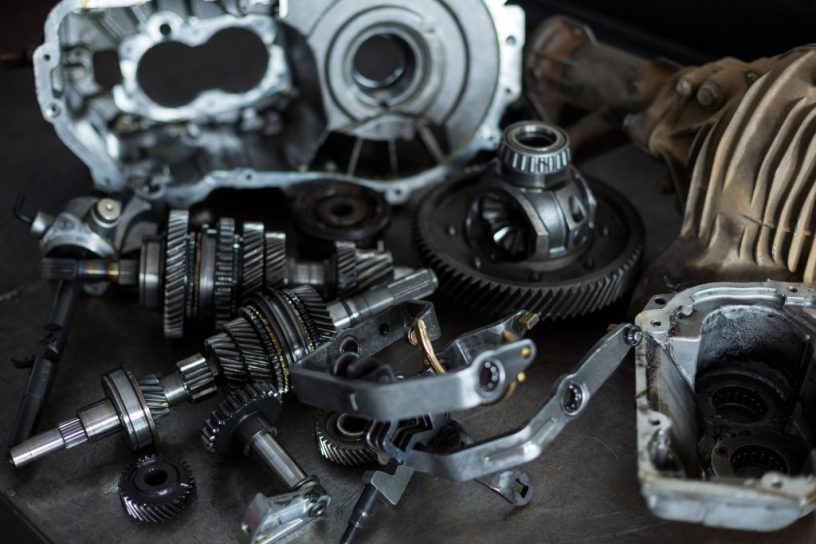
The search for automotive spare parts in Singapore reveals something fundamental about the relationship between people and their vehicles in one of the world’s most expensive car ownership markets. Here, where a certificate of entitlement can cost more than a luxury vehicle elsewhere, where ten-year depreciation rules force difficult financial decisions, the choice of where and how to source replacement components becomes an exercise in economic survival as much as mechanical maintenance. Every worn brake pad, every failing alternator, every cracked windscreen represents not just a repair decision but a financial calculation weighted against the broader costs of vehicle ownership.
Walk through any industrial estate in Defu, Ubi, or Jalan Buroh on a weekday morning and you will witness this peculiar economy in action. Workshop mechanics negotiate with suppliers over phone lines, delivery vans unload boxes of components, car owners clutch printouts of diagnostic codes hoping to match symptoms with solutions. This daily choreography of automotive commerce exists because Singapore’s vehicles, despite their brief legal lifespans, demand constant attention in a climate that accelerates wear.
The Geography of Spare Parts Distribution
The landscape of automotive spare parts in Singapore follows patterns established over decades, shaped by industrial zoning, import logistics, and the clustering effects that concentrate related businesses in specific locations. Certain neighbourhoods have become synonymous with particular automotive specialisations. These concentrations create efficiencies for both suppliers and customers, enabling price comparisons, immediate availability checks, and access to specialised expertise within confined geographical areas.
Yet this physical concentration exists alongside an expanding digital marketplace. Online platforms now compete with traditional brick-and-mortar operations, offering the convenience of home delivery against the immediate gratification of in-person collection.
Understanding Quality Tiers and Their Implications
The market for automotive spare parts in Singapore operates across multiple quality tiers, each serving distinct customer segments with different priorities and constraints:
Original Equipment Manufacturer (OEM) parts
These components match factory specifications precisely, carrying manufacturer warranties and guaranteed compatibility. They command premium prices but offer peace of mind and assured quality.
Original Equipment Supplier (OES) parts
Manufactured by the same companies that produce OEM parts but sold without vehicle manufacturer branding, these components offer equivalent quality at reduced prices.
Aftermarket parts
Third-party manufacturers produce these alternatives, ranging from premium brands exceeding OEM specifications to budget options of variable quality. This category requires careful navigation and supplier trust.
Reconditioned and salvage parts
For older vehicles or cost-conscious owners, refurbished components provide functional alternatives at fraction of new-part costs, though with inherent reliability uncertainties.
The choice between these tiers reflects not merely price sensitivity but attitudes towards vehicle longevity, risk tolerance, and the economics of depreciation.
The Trust Problem in Parts Procurement
Perhaps no aspect of sourcing automotive spare parts in Singapore proves more critical than establishing supplier trustworthiness. The opacity of global supply chains, the prevalence of counterfeit components, and the technical complexity of modern automotive systems create an environment where knowledge asymmetries favour suppliers over customers.
Consider the vehicle owner seeking replacement brake pads. Without specialised knowledge, how does one verify whether components marketed as premium ceramic pads genuinely contain ceramic formulations? How can compatibility with specific brake caliper designs be confirmed? What distinguishes legitimate aftermarket alternatives from dangerous counterfeits?
Established suppliers build reputations through consistent quality, transparent sourcing, and accountability when problems arise. They maintain documentation trails, provide clear warranty terms, and employ staff capable of technical consultation.
Navigating the Regulatory Environment
Singapore’s automotive regulations impose specific requirements on replacement parts, particularly those affecting safety, emissions, or structural integrity. The Land Transport Authority maintains standards for components including tyres, lighting systems, glazing, brake assemblies, and emission control devices. Suppliers operating within legal boundaries ensure their inventory meets these requirements, sparing customers from compliance complications.
This regulatory framework serves protective functions but also constrains options. Certain modifications popular in other markets remain prohibited here, limiting aftermarket possibilities.
The Economics of Maintenance Decisions
Every parts purchase exists within broader calculations about vehicle economics. Singapore’s unique cost structure, where vehicles depreciate to zero value after ten years regardless of condition, fundamentally alters maintenance mathematics. This creates a crossover point where continued investment in repairs becomes economically irrational compared to vehicle replacement.
Smart sourcing of automotive spare parts in Singapore requires understanding this calculus. For vehicles in their early years, quality parts preserve resale value and ensure reliable performance. As vehicles approach mandatory deregistration, maintenance strategies shift towards minimum viable functionality.
Workshop relationships influence these decisions significantly. Mechanics who source parts transparently, explain repair necessities honestly, and respect customer budget constraints become invaluable partners in navigating automotive ownership costs.
Building Practical Sourcing Strategies
Successful navigation of the spare parts market requires developing practical knowledge and reliable relationships. Vehicle owners benefit from understanding their specific model’s common failure points, typical component lifespans, and compatibility considerations.
Price comparison across multiple suppliers reveals market norms and identifies outliers warranting scrutiny. Unusually low pricing often signals quality compromises or counterfeit risks, while excessive premiums may reflect inefficiency rather than superior value. Transparent suppliers welcome detailed questions about sourcing, certification, and warranty terms.
The challenge of finding reliable automotive spare parts in Singapore ultimately reflects broader tensions in the city-state’s automotive landscape, where regulatory necessity meets economic reality, where global supply chains intersect with local requirements, and where every component purchase represents a negotiation between quality aspirations and financial constraints.
 Auto Blog