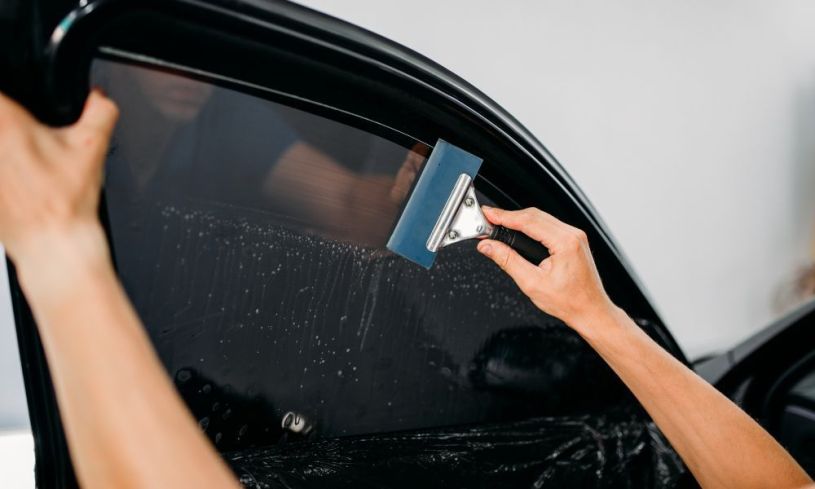
As a passionate car enthusiast who’s spent decades tinkering with and upgrading vehicles, I’ve seen countless innovations in automotive technology. Today, I want to dive deep into something that’s often overlooked but can make a world of difference to your driving experience: car window film and solar film for cars. These remarkable products have transformed how we think about comfort, safety, and style in our vehicles.
Understanding Car Window Film and Solar Film: The Basics
When we talk about car window film and solar film for cars, we’re essentially discussing specialized layers of metallised or ceramic-coated polyester film that attach to your vehicle’s windows. While they might look similar at first glance, each type serves distinct purposes and offers unique benefits.
What Sets Them Apart?
Car window film primarily focuses on privacy and security, while solar film specifically targets heat reduction and UV protection. However, modern technologies have created hybrid solutions that combine the best of both worlds. As someone who’s installed various types on everything from classic sports cars to daily drivers, I can tell you that the difference in cabin comfort is remarkable.
How Does It Work? The Science Behind the Film
The technology behind these films is absolutely fascinating. Let me break it down for you:
Solar Film Technology
Solar film works by incorporating multiple layers of specially engineered materials that:
– Reflect and absorb solar radiation before it enters your car
– Filter out harmful UV rays through advanced ceramic or metallic particles
– Maintain visibility while reducing glare
– Create a barrier that holds shattered glass together in case of accidents
Window Film Construction
Traditional car window film typically consists of:
– A protective liner that’s removed during installation
– A scratch-resistant coating
– Multiple layers of polyester with varying properties
– A adhesive layer that bonds to your car’s glass
Essential Considerations Before Installation
Legal Requirements
Before you get excited about tinting your ride, remember that different regions have specific regulations about window tinting. In the UK, for instance, the front windscreen must allow at least 75% of light through, while the front side windows must allow at least 70%. These aren’t arbitrary rules – they’re designed with safety in mind.
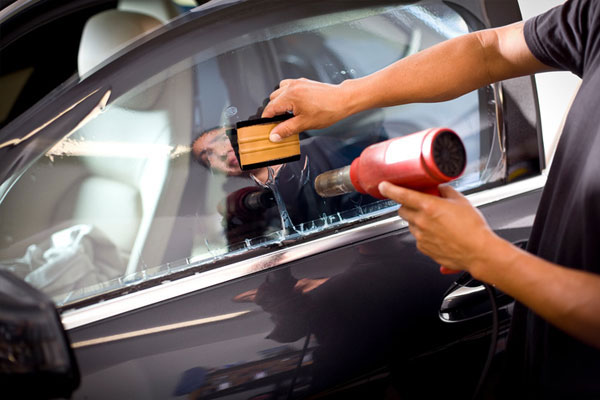
Professional vs DIY Installation
While you might be tempted to install the film yourself (trust me, I’ve been there), I strongly recommend professional installation. Here’s why:
– Proper installation requires a controlled environment
– Professionals have specialized tools and expertise
– They can ensure bubble-free application
– Most importantly, they understand local regulations
The Benefits That Make It Worth Your While
Temperature Control
One of the most immediate benefits you’ll notice is the significant reduction in cabin temperature. In my experience testing various films, I’ve seen interior temperatures drop by up to 60% during peak summer days. This means:
– Less reliance on air conditioning
– Improved fuel efficiency
– More comfortable driving experience
– Protection for your interior trim and upholstery
UV Protection
Modern car window film and solar film provide exceptional UV protection:
– Blocks up to 99% of harmful UV rays
– Prevents interior fading and cracking
– Protects occupants from skin damage
– Extends the life of your vehicle’s interior
Enhanced Privacy and Security
As someone who’s passionate about car security, I can’t stress enough how important this aspect is:
– Reduces visibility into your vehicle
– Deters opportunistic theft
– Holds shattered glass together during accidents
– Provides privacy for rear-seat passengers
Energy Efficiency
Here’s something many people don’t realize – proper window filming can significantly impact your vehicle’s energy efficiency:
– Reduces air conditioning load
– Improves fuel economy in summer months
– Maintains more consistent cabin temperature
– Reduces engine strain from excessive AC use
Installation Tips from a Car Enthusiast
Having overseen numerous installations, here are my top tips:
– Always check local regulations before choosing your tint level
– Consider ceramic films for maximum heat rejection
– Ensure proper curing time after installation
– Be prepared for a break-in period as you adjust to the new visibility
Maintenance and Care
To keep your window film looking pristine:
– Wait at least a week after installation before cleaning
– Use soft, non-abrasive materials
– Avoid ammonia-based cleaners
– Clean with a gentle soap solution
– Don’t use scrapers or sharp objects
Common Myths Debunked
Let me clear up some misconceptions:
– Quality window film won’t turn purple or bubble when properly installed
– Modern films don’t interfere with electronic signals
– Professional installation isn’t just about aesthetics – it’s about longevity
– Higher price often equals better quality and performance
Making the Right Choice for Your Vehicle
When selecting car window film or solar film for your car, consider:
– Your primary goals (heat reduction, privacy, or both)
– Local climate conditions
– Vehicle usage patterns
– Budget versus long-term benefits
Conclusion
As a car enthusiast who’s seen the evolution of automotive technology, I can confidently say that car window film and solar film for cars are among the most practical upgrades you can make to your vehicle. Whether you’re looking to enhance comfort, protect your interior, or improve privacy, the benefits are undeniable. If you’re in the market for professional installation, I’ve had excellent experiences with United Automobile – they understand both the technical and aesthetic aspects of window filming.
Remember, your car is more than just transportation; it’s an investment. Protecting it with quality window film is a decision you won’t regret. The key is choosing the right product and ensuring proper installation. Trust me, once you experience the difference, you’ll wonder why you didn’t do it sooner.
 Auto Blog