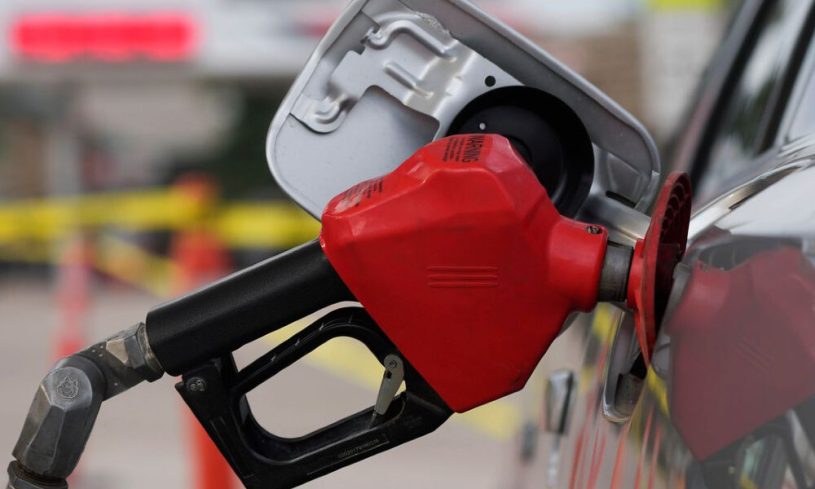
Efficient engine performance starts with a well-maintained fuel system. The fuel system is responsible for delivering the right amount of fuel at the right pressure to ensure optimal combustion. Without it, even the most advanced engine would struggle to produce power efficiently. In this article, we will explore the different components of a vehicle’s fuel system, the various fuel delivery technologies, fuel types, common issues, maintenance tips, and the future of automotive fueling.
Understanding the Role of the Fuel System
The fuel system’s primary function is to store, filter, and deliver fuel to the engine for combustion. It plays a crucial role in determining:
- Fuel efficiency
- Power output
- Engine longevity
- Emission levels
The system must maintain the perfect air-fuel mixture to ensure optimal performance while reducing emissions.
Key Components of a Vehicle’s Fuel System

Each part of the fuel system contributes to ensuring smooth engine operation.
1. Fuel Tank
The fuel tank is the storage reservoir where fuel is kept before being pumped to the engine. Modern fuel tanks are designed to be corrosion-resistant, prevent vapor leaks, and incorporate safety features such as anti-slosh baffles.
2. Fuel Pump
The fuel pump moves fuel from the tank to the engine. There are two main types:
- Mechanical Fuel Pump: Common in older carbureted vehicles, driven by the engine’s camshaft.
- Electric Fuel Pump: Found in modern vehicles, provides consistent fuel pressure and efficiency.
3. Fuel Lines and Hoses
These components transport fuel from the tank to the engine. They must withstand high pressure, temperature variations, and prevent leaks.
4. Fuel Filter
The fuel filter removes contaminants, dirt, and rust from the fuel before it reaches the engine. A clogged filter can cause poor fuel flow, reduced power, and engine misfires.
5. Fuel Injectors (Gasoline Engines) & Common Rail Systems (Diesel Engines)
Fuel injectors atomize fuel into the combustion chamber in precise amounts for efficient burning. Modern vehicles use:
- Port Fuel Injection (PFI): Injects fuel into the intake manifold before entering the combustion chamber.
- Direct Fuel Injection (GDI): Delivers fuel directly into the combustion chamber for improved efficiency and power.
- Common Rail Diesel Injection: High-pressure system used in diesel engines for better atomization and cleaner emissions.
6. Fuel Pressure Regulator
This component ensures the right fuel pressure for proper combustion. Without it, the engine could receive too much or too little fuel, leading to inefficiency.
7. Oxygen Sensors & Fuel Monitoring Systems
Modern vehicles use oxygen sensors and electronic fuel management to adjust fuel mixture dynamically, improving efficiency and reducing emissions.
Types of Fuel Delivery Systems
Different vehicles use various fuel delivery methods based on efficiency and performance needs.
1. Carburetor Systems (Older Vehicles)
- Mixes fuel and air before sending it to the combustion chamber.
- Less efficient than modern fuel injection systems.
2. Port Fuel Injection (PFI)
- Injects fuel into the intake manifold.
- Provides a balance between efficiency and affordability.
3. Direct Fuel Injection (GDI)
- Injects fuel directly into the combustion chamber.
- Improves fuel economy and power but requires precise tuning.
4. Common Rail Diesel Injection
- Uses a high-pressure rail to deliver precise fuel amounts.
- Reduces emissions and enhances performance in diesel engines.
Fuel Types and Their Impact on Performance
1. Regular vs. Premium Gasoline
- Regular Gasoline: Lower octane, suitable for most standard engines.
- Premium Gasoline: Higher octane, required for high-compression and turbocharged engines to prevent knocking.
2. Diesel Fuel
- Higher energy density than gasoline.
- Requires a higher compression ratio for ignition.
- Commonly used in trucks and heavy-duty vehicles.
3. Ethanol-Blended Fuels (E10, E15, E85)
- Ethanol increases octane rating but slightly reduces fuel economy.
- Flex-Fuel Vehicles (FFVs) can run on E85 (85% ethanol, 15% gasoline).
4. Alternative Fuels
- CNG (Compressed Natural Gas): Cleaner-burning fuel with lower emissions.
- Hydrogen Fuel Cells: A promising zero-emission technology.
- Synthetic Fuels: Lab-created fuels offering a sustainable alternative to petroleum-based products.
5. Electric Vehicles (EVs) and the Shift Away from Liquid Fuels
- No fuel system required.
- Battery storage replaces fuel tanks.
- Regenerative braking replaces traditional energy recovery methods.
Common Fuel System Issues and Troubleshooting
1. Fuel Pump Failure
- Symptoms: Hard starts, engine sputtering, sudden stalling.
- Solution: Replace the fuel pump or check relays.
2. Clogged Fuel Injectors
- Symptoms: Poor acceleration, rough idling, reduced fuel efficiency.
- Solution: Use fuel injector cleaner or have injectors professionally cleaned.
3. Fuel Filter Blockage
- Symptoms: Engine hesitation, stalling, poor throttle response.
- Solution: Regularly replace the fuel filter.
4. Fuel Line Leaks
- Symptoms: Fuel odor, visible leaks, rapid fuel consumption.
- Solution: Inspect and replace damaged fuel lines immediately.
5. Vapor Lock in Hot Weather
- Symptoms: Engine stalling after being turned off.
- Solution: Insulate fuel lines and avoid excessive heat exposure.
Fuel System Maintenance for Peak Performance
- Use high-quality fuel to prevent carbon buildup.
- Regularly replace the fuel filter.
- Clean fuel injectors periodically.
- Inspect for leaks and damaged fuel lines.
- Monitor fuel pressure and fuel pump performance.
The Future of Vehicle Fuel Systems
- Advancements in fuel injection technology to improve combustion efficiency.
- Hydrogen fuel cells and synthetic fuels as alternatives to fossil fuels.
- AI-powered fuel management systems for real-time optimization.
- Vehicle-to-grid energy sharing in hybrid and electric vehicles.
Conclusion
A properly functioning fuel system is essential for vehicle performance, fuel efficiency, and longevity. Whether driving a gasoline, diesel, or alternative-fuel vehicle, understanding fuel system components and maintenance can prevent costly repairs and improve overall driving experience. As technology advances, fuel systems are becoming smarter and more efficient, paving the way for a cleaner and more sustainable automotive future.
 Auto Blog