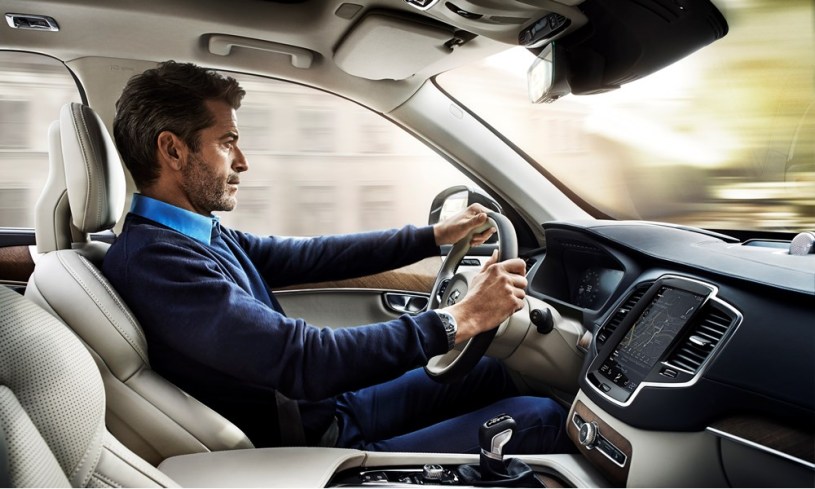
Gone are the days when a vehicle’s dashboard was just a cluster of gauges, buttons, and knobs. Today, dashboards have transformed into high-tech command centers, integrating AI-driven interfaces, digital displays, voice-controlled assistants, and seamless connectivity. These advancements not only enhance driving convenience but also play a crucial role in safety, energy efficiency, and overall user experience.
With automakers focusing on automation, smart connectivity, and sustainability, the dashboard is evolving into an intelligent hub that adapts to drivers’ needs. Whether it’s augmented reality (AR) displays, 5G-powered infotainment systems, or biometric security integration, the modern dashboard is setting new standards for in-car technology.
This article explores the past, present, and future of vehicle dashboard technology, shedding light on the latest innovations that are redefining the driving experience.
The Evolution of Vehicle Dashboards: From Analog to AI
Mechanical and Analog Dashboards (Pre-1980s)
In the early days of automobiles, dashboards were purely functional, consisting of:
- Speedometers, fuel gauges, and odometers with mechanical dials
- Simple toggle switches and knobs for lights, wipers, and climate control
- Minimal instrumentation with no digital interfaces
While effective, these dashboards offered limited convenience and no customization.
Digital Revolution Begins (1980s–2000s)
The introduction of digital instrument clusters marked a major shift in dashboard technology. Key developments included:
- LCD and LED displays replacing mechanical dials
- The rise of infotainment systems integrating AM/FM radios and CD players
- The introduction of onboard computers for real-time diagnostics
The Smart Dashboard Era (2010s–Present)
With the advent of AI, IoT, and cloud connectivity, modern dashboards now feature:
- Touchscreen infotainment systems with smartphone integration
- Head-up displays (HUDs) for real-time navigation and driving alerts
- AI-powered voice assistants enabling hands-free control
- Fully digital instrument clusters replacing analog gauges
The dashboard has evolved into an intelligent interface that blends functionality with futuristic aesthetics.
Infotainment Systems: The Digital Command Center
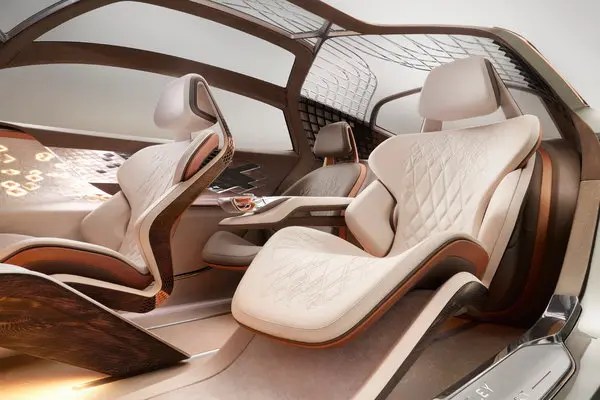
Touchscreen Displays and Next-Gen Interfaces
Traditional buttons and knobs are rapidly being replaced by high-resolution OLED and AMOLED touchscreens. These provide:
- Faster responsiveness with haptic feedback for a tactile experience
- Customizable interfaces that allow drivers to set preferred controls
- Multi-screen integration for passengers, creating a personalized experience
AI-Powered Voice Assistants
Modern vehicles now feature built-in AI assistants like:
- Google Assistant for seamless navigation and voice commands
- Amazon Alexa for real-time weather, music, and remote vehicle control
- Apple Siri via Apple CarPlay for iPhone users
AI-driven assistants improve driver focus by minimizing distractions.
Smartphone Connectivity and Wireless Integration
The shift from wired to wireless connectivity has made dashboards more user-friendly. Features like:
- Apple CarPlay and Android Auto mirror smartphone screens for enhanced usability
- Wireless charging pads eliminate the need for cables
- Cloud-based infotainment services provide real-time updates and personalized recommendations
These integrations create a seamless driving experience, ensuring that drivers remain connected while keeping their hands on the wheel.
Advanced Instrument Clusters and Augmented Reality (AR) Displays
Digital Instrument Panels: A Fully Customizable Interface
Unlike traditional dashboards, digital instrument clusters now:
- Display real-time navigation, weather updates, and safety alerts
- Adapt layouts based on driving modes (Eco, Sport, Off-Road)
- Offer gesture-based controls for enhanced user experience
Augmented Reality Head-Up Displays (AR HUDs)
HUDs have evolved from simple speed readouts to AR-powered windscreen projections, displaying:
- Navigation arrows overlaid directly onto the road
- Collision warnings and pedestrian detection
- Lane departure guidance for improved driving accuracy
By providing real-time, heads-up information, AR displays reduce distractions and enhance safety.
Climate Control and Interior Comfort: The Future of Personalized Driving
AI-Driven Climate Control
The latest vehicle dashboards use AI to:
- Adjust temperature zones automatically based on driver preferences
- Detect sunlight exposure and adapt climate settings accordingly
- Monitor air quality and filter out pollutants
Gesture Control and Haptic Feedback
- Hand gestures can be used to adjust volume, change music, or navigate menus
- Haptic feedback ensures that drivers feel a slight vibration when pressing virtual buttons
- Touch-sensitive surfaces replace traditional climate control buttons for a futuristic interface
Noise Cancellation Technology
Automakers are integrating active noise cancellation (ANC) to:
- Reduce road and engine noise
- Improve audio clarity for hands-free calls and music
- Create a luxury-like cabin experience in EVs and premium vehicles
The Role of AI in Safety and Driver Assistance
Driver Monitoring Systems (DMS)
AI-driven facial recognition cameras inside the dashboard can:
- Detect drowsiness or inattention and issue alerts
- Adjust settings based on individual driver profiles
- Lock the vehicle if an unrecognized person attempts to start it
360-Degree Camera and Blind Spot Detection
Dashboards now feature high-resolution camera feeds displaying:
- Surround-view monitoring for parking assistance
- AI-powered object detection to warn drivers of potential hazards
- Real-time 3D rendering of the vehicle’s surroundings
Autonomous Driving Integration
As self-driving cars evolve, dashboards will feature:
- Self-driving mode activation panels
- Adaptive cruise control displays that show vehicle surroundings
- AI-driven decision-making interfaces
These advancements pave the way for fully autonomous vehicle interiors, where dashboards become digital entertainment hubs rather than driving interfaces.
Connectivity and IoT: The Smart Car Revolution
5G-Powered Vehicles
With 5G connectivity, dashboards can now:
- Access real-time traffic and navigation updates
- Support V2V (Vehicle-to-Vehicle) communication for accident prevention
- Provide instant cloud updates for system enhancements
Integrated Payment Systems
Future dashboards will enable contactless payments for:
- Toll booths and parking meters
- Fuel and EV charging stations
- In-car e-commerce services
Smart dashboards will function as digital wallets, simplifying payments for drivers.
The Future of Vehicle Dashboards: What’s Next?
AI-Driven Personalization
- Dashboards will recognize individual drivers and adjust settings automatically
- AI will recommend preferred routes, music, and climate settings based on user habits
Holographic and Wraparound Displays
- Entire dashboards will be replaced with full-width OLED screens
- Holographic touchscreens will eliminate the need for physical buttons
Sustainable Dashboard Materials
- Automakers are shifting to recycled plastics, vegan leather, and bamboo fiber
- Smart dashboards will feature solar-powered and energy-efficient components
Conclusion: A Future-Ready Driving Experience
The dashboard of the future is more than just a display panel—it’s an intelligent interface that enhances safety, convenience, and connectivity. With AI-driven infotainment, AR head-up displays, gesture controls, and 5G connectivity, dashboards are transforming into fully digital ecosystems.
As technology advances, self-driving vehicles and interactive entertainment hubs will redefine the purpose of dashboards. Whether it’s personalized AI assistants, autonomous driving panels, or holographic projections, the next generation of dashboards will revolutionize the driving experience.
 Auto Blog