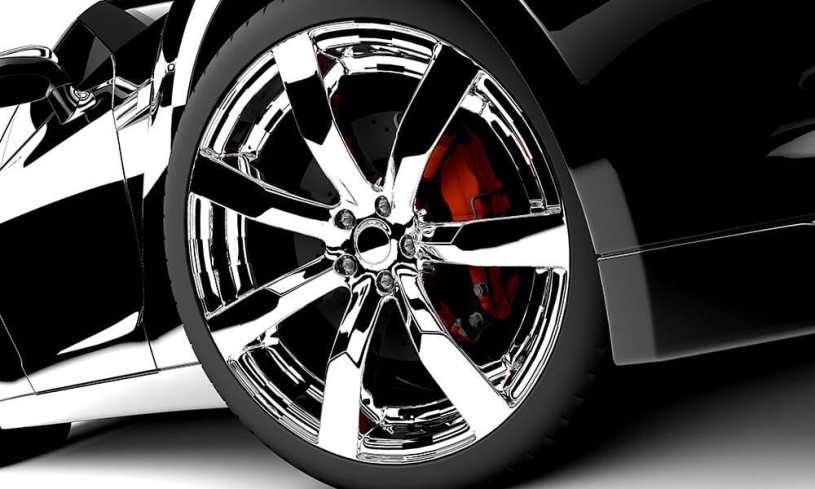
When it comes to vehicles, wheels are more than just a necessity—they are a statement. The design, material, and size of rims significantly impact both the performance and aesthetics of a car, truck, or motorcycle. From improving aerodynamics and fuel efficiency to enhancing traction and braking, the right set of rims can transform a vehicle’s capabilities.
Beyond performance, rims also play a crucial role in defining a vehicle’s personality. A sleek, polished set of chrome wheels exudes luxury, while deep-dish concave rims bring an aggressive sports-car stance. For off-roaders, rugged beadlock rims ensure superior tire grip and durability on rough terrain.
This article explores the science behind rim design, how different materials affect performance, and why wheel aesthetics matter more than you think.
The Science of Rims: How They Influence Vehicle Performance
Weight Distribution and Handling
The weight of a vehicle’s wheels affects how it responds to acceleration, braking, and cornering. Lighter wheels reduce unsprung weight, which is the portion of a vehicle not supported by suspension. Lower unsprung weight improves:
- Steering responsiveness
- Suspension efficiency
- Acceleration and fuel efficiency
Conversely, heavier rims can enhance stability, particularly in high-speed or off-road conditions, by adding mass to counteract external forces like wind resistance.
Aerodynamics and Efficiency
Rim design directly influences airflow around the wheels, affecting both performance and fuel efficiency. Open-spoke designs help cool the brakes, reducing fade, while closed, smooth designs minimize drag and improve aerodynamics, making them ideal for electric vehicles (EVs) and hyper-efficient hybrids.
The Impact of Rim Size on Ride Quality
Choosing the right rim size is about more than just aesthetics. Larger rims with low-profile tires (short sidewalls) offer better handling and performance but can compromise comfort on rough roads. Smaller rims with higher-profile tires provide a softer, more cushioned ride, making them ideal for long-distance cruising.
Material Matters: The Foundation of Performance
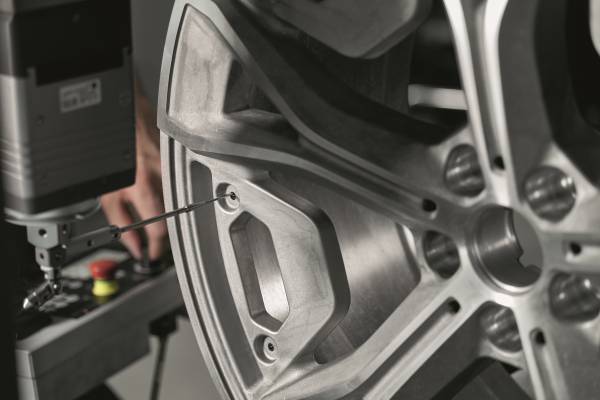
Steel Rims: Strength and Durability
Steel wheels are known for their robustness and affordability. They are commonly used in heavy-duty applications such as trucks and winter driving due to their:
- High durability against rough terrains
- Resistance to impact damage
- Lower cost compared to alloys
However, their heavier weight reduces fuel efficiency and acceleration, making them less ideal for performance-focused vehicles.
Aluminum Alloy Rims: The Perfect Balance
Most modern vehicles use aluminum alloy rims because they offer an excellent balance between strength and weight reduction. These wheels improve handling, reduce fuel consumption, and allow for intricate design options, making them a favorite among car enthusiasts.
Magnesium Rims: High-Performance Applications
Lighter than aluminum, magnesium wheels are used in motorsport and high-performance vehicles. Benefits include:
- Faster acceleration due to reduced weight
- Superior heat dissipation for brake cooling
- Enhanced vehicle agility in competitive racing
However, magnesium rims require specialized care as they are more prone to corrosion than aluminum.
Carbon Fiber Rims: The Future of Lightweight Innovation
Carbon fiber wheels represent cutting-edge rim technology. Extremely lightweight and durable, they offer:
- Unmatched strength-to-weight ratio
- Reduced rotational mass for improved speed
- Resistance to corrosion
Due to their high production costs, carbon fiber wheels are primarily found on high-end sports cars and luxury vehicles.
Design Elements: The Art of Performance and Style
Spoke Configurations and Strength
The arrangement of spokes influences both strength and weight distribution. Common spoke patterns include:
- Multi-spoke – Used for luxury sedans and sports cars, providing an elegant look while maintaining rigidity.
- Five-spoke – Popular for sports and performance cars, offering a balance between aesthetics and weight reduction.
- Mesh design – Found on classic and high-end vehicles, improving aerodynamics while enhancing durability.
Concave vs. Convex Rims
- Concave wheels have spokes that curve inward, creating a deep, aggressive appearance preferred by performance car enthusiasts.
- Convex wheels protrude outward, commonly found in off-road and utility vehicles to accommodate large tires.
Wheel Offset and Stance
Offset determines how far the wheels sit from the suspension.
- Positive offset keeps the wheels tucked inside the wheel arches for a sleek, aerodynamic look.
- Negative offset pushes the wheels outward, creating a wide, aggressive stance seen in racing and off-road vehicles.
Rim Aesthetics: Customization Beyond Functionality
Choosing the Right Finish
Rim finishes affect both aesthetics and durability. Popular options include:
- Chrome-plated rims – Offer a high-shine luxury appeal but require frequent maintenance.
- Matte black rims – Provide a stealthy, aggressive look, ideal for sports and muscle cars.
- Powder-coated rims – Durable and customizable in various colors, perfect for personalized designs.
OEM vs. Aftermarket Rims
- OEM (Original Equipment Manufacturer) rims are designed to maintain factory specifications, ensuring reliability.
- Aftermarket rims allow for greater customization, enhancing aesthetics and performance, but require careful selection to ensure compatibility.
Practical Considerations: Rims for Different Driving Needs
Everyday Commuters
For daily drivers, durability and comfort are key. Opting for aluminum alloy rims with moderate sizing ensures a smooth ride and fuel efficiency.
High-Performance and Track Racing
Performance vehicles benefit from lightweight magnesium or forged aluminum wheels, which provide faster acceleration and improved braking response.
Off-Road and 4×4 Vehicles
Rugged terrain demands steel or reinforced beadlock rims, ensuring tires stay securely in place while absorbing shocks from uneven surfaces.
Electric Vehicles and Rim Innovations
Aerodynamic efficiency is crucial for EVs, leading to the development of lightweight, closed-spoke wheel designs that reduce wind resistance and extend battery range.
Maintaining and Extending the Life of Your Rims
Cleaning and Protection
Regular cleaning prevents dirt, brake dust, and corrosion. Using ceramic coatings or specialized wheel wax can provide added protection.
Wheel Alignment and Balancing
Misaligned or unbalanced wheels can cause uneven tire wear and affect vehicle stability. Routine alignment checks ensure a smooth and safe driving experience.
Inspecting for Damage
Cracks, bends, or deep scratches can compromise wheel integrity. It’s essential to replace damaged rims immediately to avoid safety hazards.
The Future of Rim Technology
Smart Rims with Integrated Sensors
The next generation of rims will include built-in sensors that monitor tire pressure, temperature, and road conditions in real-time, improving safety and efficiency.
3D-Printed and Custom-Molded Rims
Advancements in 3D printing technology allow for highly customized, lightweight, and structurally optimized rims, paving the way for more personalized and aerodynamic designs.
Sustainable Rim Materials
Eco-friendly initiatives are driving the development of recycled aluminum and biodegradable composites, reducing environmental impact while maintaining strength and performance.
Conclusion: The Perfect Blend of Function and Style
Rim design is about more than just looks—it plays a crucial role in performance, handling, and efficiency. Whether selecting wheels for daily commuting, racing, off-roading, or luxury styling, understanding the impact of rim design ensures you make the right choice.
As technology advances, the fusion of lightweight materials, smart sensors, and aerodynamic innovations will continue to redefine the future of wheel engineering, making vehicles not just safer but more efficient and stylish than ever before.
 Auto Blog