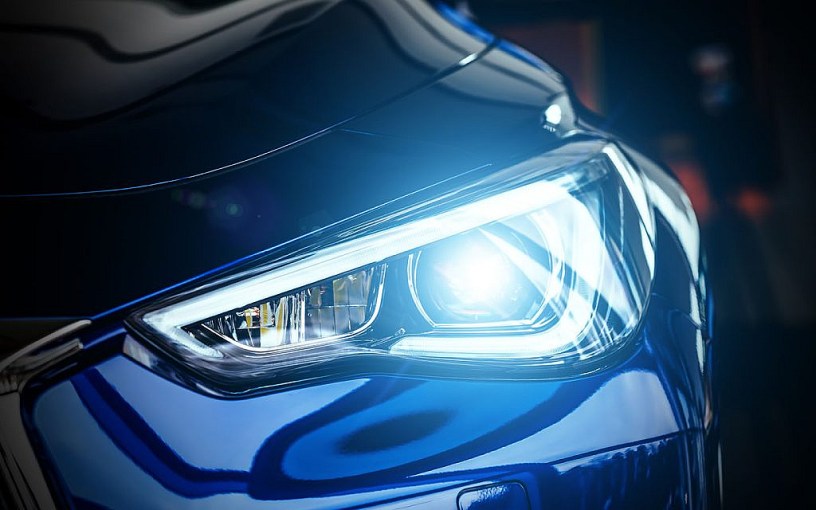
For over a century, automotive lighting has evolved from simple gas lamps to sophisticated laser and adaptive lighting technologies. These advancements not only improve visibility but also enhance vehicle aesthetics, safety, and energy efficiency. With continuous technological innovations, vehicle lighting has transitioned from being just a functional necessity to a critical component of modern car design and intelligent safety features.
This article explores the evolution of vehicle lighting systems, the technology behind them, their impact on driving safety, and the future trends shaping the automotive lighting industry.
The Journey from Early Lighting to Modern Innovations
The Carbide Lamp Era: A Humble Beginning
Before electric lighting became the standard, vehicles relied on acetylene carbide lamps in the late 19th and early 20th centuries. These lamps provided basic illumination but had limited reach and required manual lighting before every journey.
Incandescent and Halogen Bulbs: The First Electric Breakthrough
With the advancement of automotive electrification, incandescent bulbs became the norm in the 1920s. However, these bulbs had low efficiency and a short lifespan, leading to the introduction of halogen bulbs in the 1960s. Halogen lights used a tungsten filament and halogen gas to enhance brightness and longevity. While more efficient than incandescent bulbs, halogens still generated excessive heat and had higher energy consumption.
HID (High-Intensity Discharge) Lights: A Leap Forward
In the 1990s, HID lights emerged as a brighter and more efficient alternative to halogen lamps. HID lights used xenon gas and electric arcs instead of filaments, significantly improving nighttime visibility. However, they had drawbacks, such as glare issues for oncoming drivers and a higher replacement cost.
The LED Revolution: Energy Efficiency Meets Design
Why LEDs Became the Industry Standard
Light-emitting diodes (LEDs) transformed vehicle lighting by offering better energy efficiency, compact size, and durability. Unlike halogen and HID lights, LEDs do not rely on filaments, making them less prone to failure due to vibrations or temperature fluctuations.
Applications of LED Lighting in Vehicles
- Headlights and Taillights: Brighter, longer-lasting illumination for enhanced safety.
- Daytime Running Lights (DRLs): Increased vehicle visibility during daylight hours.
- Ambient Interior Lighting: Customizable colors to enhance driver experience.
- Turn Signals and Brake Lights: Faster response time compared to traditional bulbs.
The Drawbacks of LEDs
Despite their advantages, LEDs require heat dissipation mechanisms to maintain performance. Additionally, they have a higher initial cost compared to halogen bulbs.
Laser Headlights: The Future of High-Performance Lighting
How Laser Lighting Works
Laser headlights use laser diodes to generate intense beams of light. These beams pass through a phosphor converter, creating an ultra-bright and far-reaching illumination.
Advantages of Laser Headlights
- Superior Brightness and Range: Can project light nearly twice the distance of LED headlights.
- Compact and Lightweight: Allows for more aerodynamic vehicle designs.
- Greater Energy Efficiency: Uses less power than traditional lighting technologies.
Challenges and Adoption Barriers
While laser headlights offer unmatched brightness, their high production costs and complex manufacturing process limit widespread adoption. Additionally, strict regulations in many countries restrict their use in consumer vehicles.
Adaptive and Intelligent Lighting: Enhancing Safety and Visibility
Adaptive Headlights
These headlights adjust beam direction based on steering input and vehicle speed. This feature significantly improves nighttime driving by illuminating curves and bends.
Matrix LED and Pixel Lighting Technology
Matrix LED and pixel lighting selectively dim individual LED segments to prevent glare while maintaining maximum road illumination. This technology is particularly useful in urban settings where streetlights and oncoming vehicles require precise beam control.
Augmented Reality (AR) Headlights
AR-based lighting systems integrate navigation guidance and real-time hazard alerts into the headlight beam. These futuristic headlights can display lane markers, pedestrian warnings, and road signs to improve driver awareness.
Regulatory Standards and Safety Considerations
Global Lighting Regulations
Different countries enforce varying lighting standards:
- United States (DOT): Focuses on standard beam patterns and brightness limits.
- Europe (ECE Standards): Prioritizes adaptive technologies and glare control.
- Japan and China: Implement strict testing protocols for energy efficiency and longevity.
Automatic High Beam Assistance
Many modern cars feature automatic high beams that switch between high and low settings based on surrounding traffic. This feature reduces driver effort and improves road safety.
Aesthetic and Functional Innovations in Lighting
Dynamic Turn Signals and Sequential Lighting
Luxury brands introduced dynamic indicators that create a fluid motion when signaling turns, improving visibility and design appeal.
RGB Ambient Lighting
High-end vehicles now offer fully customizable interior ambient lighting, allowing drivers to adjust cabin mood lighting according to personal preference.
The Future of Automotive Lighting
OLED (Organic Light-Emitting Diodes)
OLED technology offers ultra-thin, flexible lighting solutions with enhanced efficiency. This allows for unique vehicle designs with seamless illumination panels.
Holographic and Projected Lighting
Future lighting systems may integrate holographic projections to display symbols or animations on the road, enhancing communication between vehicles and pedestrians.
Vehicle-to-Vehicle (V2V) Communication
Smart lighting technology will allow cars to communicate road conditions through flashing patterns or intensity variations. This will play a crucial role in autonomous driving environments.
Conclusion
From humble carbide lamps to high-tech laser and adaptive lighting systems, vehicle lighting has undergone a remarkable transformation. Modern advancements not only enhance visibility but also contribute to energy efficiency, safety, and aesthetic appeal. As the industry shifts towards electrification and autonomous driving, lighting will continue to play a crucial role in vehicle design and functionality.
With the rapid pace of innovation, the future of automotive lighting holds limitless possibilities, ensuring that vehicles remain safer, smarter, and more efficient than ever before.
 Auto Blog