Brakes are one of the most critical components of any vehicle, ensuring safety, stability, and control. Whether it’s a compact sedan, a high-performance sports car, a massive transport truck, or an electric vehicle, each has unique braking requirements tailored to its weight, speed, and usage conditions.
Modern braking technology has advanced significantly, incorporating features such as regenerative braking in electric vehicles, adaptive braking for high-performance cars, and air brakes in heavy-duty trucks. This article explores the science behind braking and the specific stopping power needs of different types of vehicles, along with the latest technological innovations enhancing braking performance.
The Science of Braking: How Vehicles Stop Efficiently
Understanding Kinetic Energy and Friction in Braking
When a moving vehicle needs to stop, its kinetic energy must be converted into another form—typically heat. This is achieved through friction, as brake pads press against rotors or brake shoes press against drums. The faster and heavier a vehicle is, the more energy needs to be dissipated, requiring more robust braking systems.
Types of Braking Systems
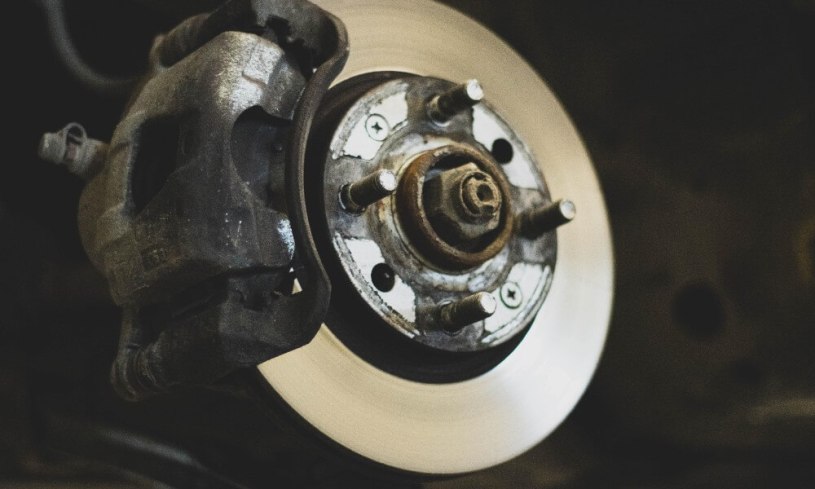
- Disc Brakes – The most common braking system in modern cars, offering efficient heat dissipation and strong stopping power.
- Drum Brakes – Used mainly in older vehicles and rear wheels of some budget cars; they are more affordable but less efficient in dissipating heat.
- Regenerative Braking – Found in electric and hybrid vehicles, this system recaptures energy during braking and stores it for later use.
- Air Brakes – Essential for large trucks and buses, utilizing compressed air instead of hydraulic fluid to provide powerful stopping force.
Key Braking Components
- Brake Pads and Rotors – Responsible for generating the friction needed to slow down the vehicle.
- Hydraulic Brake Fluid – Transfers force from the brake pedal to the braking components.
- Calipers and Drums – Apply the necessary pressure to create friction and reduce wheel rotation speed.
- Electronic Brake Assistance – Features such as Anti-lock Braking System (ABS) and Electronic Brake-force Distribution (EBD) enhance braking control.
Passenger Vehicles: Efficient Braking for Everyday Driving
Sedans and Compact Cars
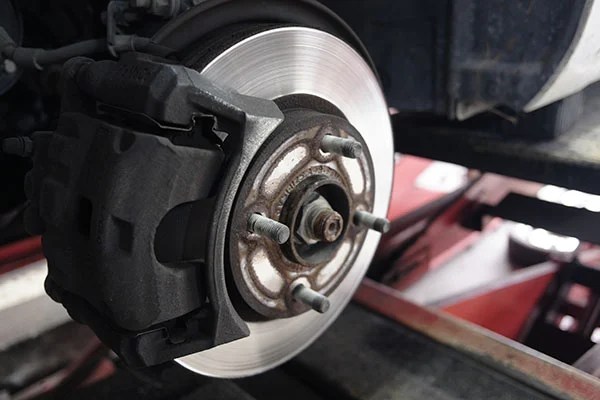
Most sedans and compact cars are lightweight, requiring standard disc brakes at the front and either disc or drum brakes at the rear. Anti-lock Braking Systems (ABS) are standard, helping prevent wheel lockup during sudden stops. Many modern sedans also incorporate electronic brake assist, ensuring maximum stopping power in emergency braking situations.
Sports Cars and High-Performance Vehicles
Sports cars and high-performance vehicles require advanced braking systems due to their higher speeds and aggressive acceleration. These vehicles often feature ventilated disc brakes, multi-piston calipers, and ceramic composite rotors that can handle extreme heat and pressure. Performance brakes improve stopping distances, allowing the driver better control at high speeds.
SUVs and Crossovers
Due to their increased weight, SUVs require larger brake rotors and more powerful calipers. Electronic Brake-force Distribution (EBD) ensures that braking power is evenly applied across all four wheels. Many off-road SUVs are also equipped with hill descent control, which applies braking force gradually for better stability on steep declines.
Heavy-Duty Vehicles: Braking Systems for Large Masses
Trucks and Commercial Transport Vehicles
Trucks, particularly long-haul freight vehicles, require specialized braking solutions to manage their immense weight. Hydraulic braking systems are insufficient for such large vehicles, leading to the widespread adoption of air brakes, which provide powerful and reliable stopping force. Many trucks also use engine braking systems, such as Jake brakes, which slow the vehicle down without overloading the braking system.
Buses and Public Transport Vehicles
Buses, particularly city buses, frequently stop and start, necessitating durable braking solutions. Many buses use regenerative braking to reduce wear on traditional brake components while improving energy efficiency. Heavy-duty brake pads and reinforced rotors ensure that brakes can withstand frequent use without overheating or degrading too quickly.
Construction and Off-Road Vehicles
Off-road vehicles, including construction equipment and agricultural machinery, require braking systems that can handle rugged terrains and high torque loads. Multi-disc wet brakes, which are enclosed in oil to prevent overheating and wear, are commonly used in these vehicles.
Two-Wheelers: Precision Braking for Stability
Motorcycles and High-Performance Bikes
Motorcycles rely on a combination of front and rear braking, with most of the stopping power concentrated in the front disc brake. High-performance bikes feature dual front disc brakes with multi-piston calipers for maximum stopping power. The introduction of ABS in motorcycles has significantly improved rider safety by preventing wheel lockup during emergency braking.
Scooters and Urban Mobility Vehicles
Scooters are smaller and lighter but require efficient braking for quick stops in urban traffic. Many scooters use a Combined Braking System (CBS), which distributes braking force between the front and rear wheels for balanced stopping. Some electric scooters now incorporate regenerative braking to enhance efficiency.
Electric and Hybrid Vehicles: The Role of Regenerative Braking
How Regenerative Braking Works
Regenerative braking captures energy typically lost during braking and converts it into electrical energy that recharges the battery. This system improves overall efficiency and reduces wear on traditional brake components.
Blended Braking: The Combination of Regenerative and Hydraulic Braking
Many electric vehicles (EVs) use blended braking systems, where regenerative braking slows the vehicle initially, and traditional friction brakes engage when additional stopping power is needed. Advanced braking software ensures seamless transitions between both systems.
Challenges in EV Braking
Due to their heavy battery packs, EVs are often heavier than traditional vehicles, increasing their stopping distance. Brake components must be designed to handle extra weight, and brake pads need to be optimized for long-term durability.
Advancements in Braking Technology
Adaptive Braking Systems and AI Integration
Modern vehicles feature adaptive braking technologies that adjust stopping power based on driving conditions. AI-powered systems can detect road conditions and apply the appropriate amount of braking force. Emergency braking and collision avoidance systems use AI and sensors to engage brakes automatically when an obstacle is detected.
Brake-by-Wire Technology
Brake-by-wire systems replace traditional hydraulic braking with electronic controls, improving response times and reducing the weight of braking components. This technology is particularly useful for electric and autonomous vehicles.
Self-Healing and Low-Maintenance Brakes
Recent innovations in braking materials have led to the development of ceramic and carbon composite brakes that last longer and generate less dust. Some automakers are exploring self-healing brake materials that can repair minor wear and tear over time, reducing maintenance costs.
Brake Maintenance and Performance Optimization
Signs of Brake Wear and When to Replace Components
- Squealing or grinding noises when braking
- Soft or spongy brake pedal feel
- Increased stopping distance
- Brake warning light on dashboard
Best Practices for Maintaining Braking Efficiency
- Regularly check brake fluid levels and replace fluid as needed
- Inspect brake pads and rotors every 10,000 miles
- Upgrade to high-performance brake pads for improved stopping power
Performance Upgrades for Better Stopping Power
- Larger brake rotors for improved heat dissipation
- High-performance ceramic brake pads for reduced wear
- Aftermarket brake kits for enhanced braking response
Conclusion
Braking technology has evolved significantly to accommodate the needs of different vehicle types, from compact cars and motorcycles to heavy-duty trucks and electric vehicles. Innovations in AI, regenerative braking, and advanced materials continue to shape the future of vehicle braking systems, improving safety and efficiency. As vehicles become more sophisticated, braking technology will remain at the forefront of safety advancements, ensuring better control and reliability on the road.
 Auto Blog