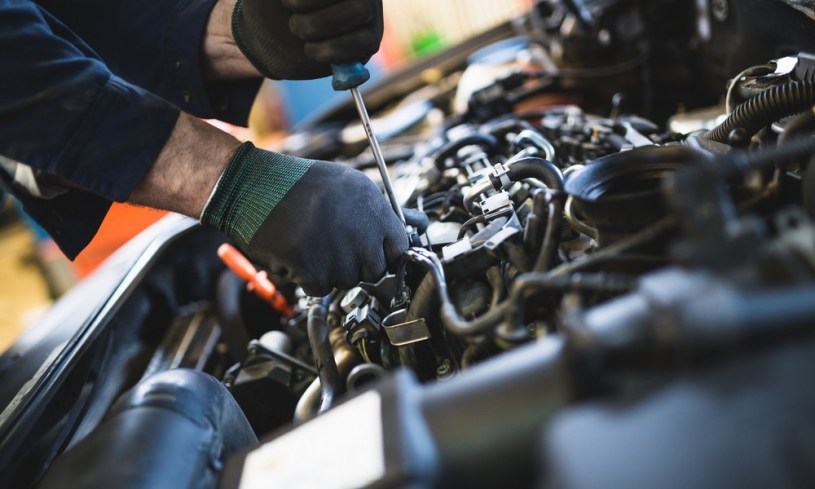
Engines are the heart of any vehicle, but what truly determines their performance? While horsepower often steals the spotlight, torque is the unsung hero that influences acceleration, towing capacity, and overall driving dynamics. Whether you’re behind the wheel of a sports car, a workhorse truck, or an electric vehicle, torque plays a crucial role in shaping the driving experience. This article dives deep into how torque varies across vehicle types, its impact on performance, and how different engine technologies influence torque delivery.
Understanding Torque: The Force That Moves Your Vehicle
Torque is the rotational force produced by an engine that enables movement. Measured in pound-feet (lb-ft) or Newton-meters (Nm), it directly affects how quickly a vehicle can accelerate, tow, or climb steep inclines. Unlike horsepower, which measures the rate at which work is done, torque focuses on the raw force that turns the wheels.
- Higher torque = more pulling power (ideal for towing and off-roading).
- Lower torque with high revs = faster top speeds (common in high-performance sports cars).
- Instant torque = rapid acceleration (especially in electric vehicles).
Understanding torque helps in choosing the right vehicle based on your driving needs—be it power, efficiency, or performance.
Torque in Different Driving Scenarios
Torque manifests differently depending on how a vehicle is used. Let’s explore some common driving scenarios and how torque plays a role:
1. Acceleration & Speed
Sports cars rely on torque at higher RPMs for rapid acceleration. Vehicles with turbocharged engines or electric motors benefit from instant torque, allowing them to achieve 0-60 mph times in mere seconds.
2. Towing & Hauling
Trucks and SUVs need high torque at lower RPMs to pull heavy loads. Diesel engines, known for their torque-rich nature, provide consistent pulling power for commercial and personal use.
3. Off-Roading & Hill Climbing
Vehicles designed for rugged terrains require low-end torque to navigate steep inclines and uneven landscapes. Four-wheel-drive (4WD) and all-wheel-drive (AWD) systems further enhance torque distribution.
4. Fuel Efficiency
Engines with balanced torque output contribute to better fuel economy by reducing the need for excessive throttle input, optimizing energy usage.
Torque Across Different Engine Types
Engine technology plays a crucial role in determining torque characteristics. Here’s how torque varies across different engine types:
Naturally Aspirated Engines
These engines rely on atmospheric pressure for combustion, delivering linear torque at higher RPMs. They are commonly found in smaller sedans and sports cars, where revving high is essential for peak performance.
Turbocharged and Supercharged Engines
Forced induction engines use compressed air to boost power and torque. Turbocharged engines produce significant torque at lower RPMs, reducing turbo lag and enhancing acceleration.
Diesel Engines
Diesel powertrains excel in producing high torque at low RPMs, making them the preferred choice for towing and long-distance commercial applications.
Electric Motors
EVs offer instant torque, eliminating the need for revving. This characteristic allows electric cars to achieve blistering acceleration and efficient energy use.
Hybrid Powertrains
Hybrids blend internal combustion engines with electric motors, optimizing torque delivery for both efficiency and performance.
Comparing Torque Across Vehicle Categories
1. Passenger Cars (Sedans, Hatchbacks, Coupes)
- Torque delivery is tuned for smooth urban and highway driving.
- Smaller engines prioritize efficiency over raw pulling power.
- Turbocharged variants offer better low-end torque for acceleration.
2. Sports Cars & Supercars
- High-revving engines provide torque at mid-to-high RPMs for explosive performance.
- Lightweight designs enhance power-to-weight ratios.
- Advanced transmission systems maximize torque application.
3. SUVs & Crossovers
- Focus on low-end torque for off-roading and carrying passengers.
- AWD and 4WD systems distribute torque dynamically to maintain traction.
- Diesel options offer enhanced towing capabilities.
4. Pickup Trucks & Commercial Vehicles
- Diesel engines dominate due to their ability to deliver sustained torque.
- Heavy-duty trucks require massive torque output for hauling equipment.
- Torque-assist features like engine braking improve control during downhill driving.
5. Motorcycles & Performance Bikes
- Torque characteristics vary widely based on bike type.
- Cruisers and touring bikes benefit from low-end torque for relaxed rides.
- Sports bikes rely on high RPM torque for aggressive acceleration.
6. Electric Vehicles (EVs) & Hybrids
- EVs produce instant torque, making them exceptionally quick from a standstill.
- Hybrids utilize torque from electric motors to complement the engine.
- Regenerative braking converts unused torque into stored energy.
Transmission and Torque Delivery
The way torque is distributed to the wheels depends on the transmission system.
- Manual Transmission: Provides direct torque control, allowing drivers to adjust power delivery based on gear selection.
- Automatic Transmission: Optimizes torque delivery for smoother acceleration and efficiency.
- CVT (Continuously Variable Transmission): Offers seamless torque adjustment, prioritizing fuel economy.
- Dual-Clutch Transmissions: Improve gear shifts and maximize torque efficiency in performance vehicles.
- 4WD & AWD Systems: Ensure torque is sent to all four wheels for better traction and stability.
Maximizing Torque for Performance and Efficiency
Optimizing torque is key to enhancing vehicle performance. Some effective methods include:
- Performance Tuning: ECU remaps adjust torque curves for better response.
- Upgraded Exhaust Systems: Reduces backpressure, improving torque output.
- Turbocharger Upgrades: Boosts torque for forced induction engines.
- Final Drive Ratio Adjustments: Alters torque distribution for acceleration or top speed.
- Proper Driving Techniques: Rev-matching, throttle control, and smooth gear shifts help utilize torque efficiently.
The Future of Torque and Engine Technology
As technology advances, the way torque is delivered and optimized is evolving.
- Next-Gen Electric Drivetrains: Improved torque vectoring and battery efficiency.
- Hydrogen-Powered Vehicles: Potential to offer diesel-like torque with cleaner emissions.
- AI-Optimized Powertrains: Adjust torque output dynamically based on driving conditions.
- Enhanced Hybrid Systems: Combining electric torque with fuel efficiency for optimal performance.
Conclusion
Torque is the backbone of engine performance, influencing acceleration, towing capacity, and efficiency. Different vehicle types and engine technologies deliver torque in unique ways, catering to various driving needs. Whether you seek high-speed thrills, off-road adventure, or fuel efficiency, understanding torque can help you make an informed decision when choosing a vehicle.
 Auto Blog