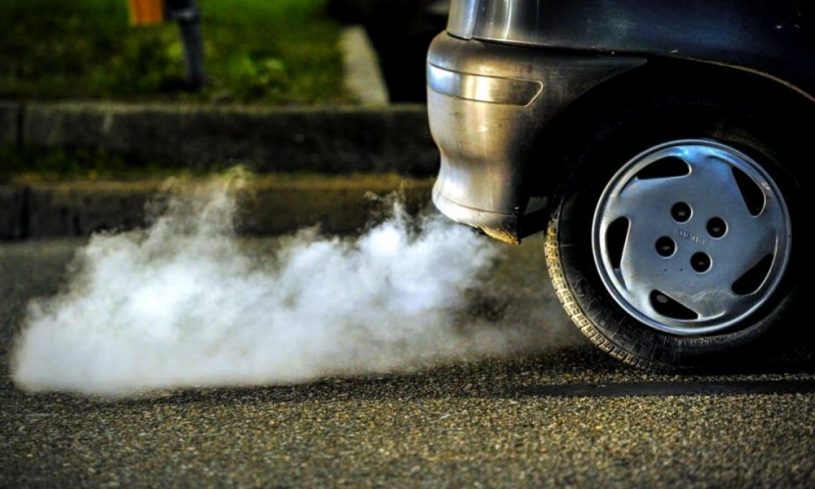
The automotive industry is undergoing a significant transformation in response to growing environmental concerns and increasingly stringent emission norms. Vehicle exhaust systems have evolved significantly over the decades, incorporating advanced technologies to reduce pollutants and comply with regulations.
In this article, we will explore vehicle emissions, the evolution of exhaust systems, modern emission control technologies, and the future of zero-emission mobility.
Understanding Vehicle Emissions
Vehicle emissions refer to the pollutants released from the exhaust of internal combustion engine (ICE) vehicles. These emissions contribute to air pollution, smog, and climate change. The major types of pollutants include:
- Carbon Monoxide (CO): A toxic gas produced by incomplete combustion.
- Nitrogen Oxides (NOx): Contribute to acid rain and respiratory issues.
- Particulate Matter (PM): Tiny particles that can harm lung health.
- Hydrocarbons (HC): Lead to ground-level ozone and smog formation.
- Carbon Dioxide (CO₂): A major greenhouse gas responsible for climate change.
Understanding these pollutants is crucial for developing emission reduction strategies.
Evolution of Emission Regulations and Standards
Over the years, various global organizations have established emission regulations to curb vehicle pollution. These include:
- EPA (Environmental Protection Agency) – USA: Introduces and enforces strict emissions limits.
- European Emission Standards (Euro 1 to Euro 7): Progressively stringent regulations for CO₂ and NOx emissions.
- Bharat Stage (BS) Emission Standards – India: Modeled after European standards to control pollution levels.
- China 6 Emission Standards: Among the strictest emission controls globally.
- California Air Resources Board (CARB): Implements even stricter standards than federal regulations in the U.S.
Each regulatory framework sets limits on emissions and pushes automakers to develop cleaner technologies.
Evolution of Exhaust Systems in Response to Emission Norms
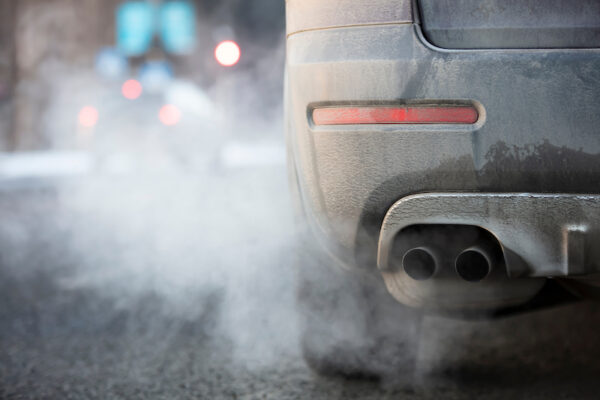
Exhaust systems have significantly evolved to meet these regulations. The key advancements include:
- Early exhaust systems: Simple pipes with minimal emission control.
- Catalytic Converters: Convert harmful gases into less harmful emissions.
- Oxygen Sensors: Help optimize the air-fuel mixture to reduce emissions.
- Diesel Particulate Filters (DPFs): Reduce soot emissions from diesel engines.
- Exhaust Gas Recirculation (EGR): Lowers NOx emissions by recirculating exhaust gases.
- Selective Catalytic Reduction (SCR) & AdBlue Technology: Uses urea-based solutions to neutralize NOx.
- Advanced Mufflers: Reduce noise pollution and improve engine efficiency.
Modern Emission Reduction Technologies in Vehicles
To meet stringent norms, automakers are adopting advanced exhaust technologies:
- Advanced Catalytic Converters:
- Three-way catalytic converters for gasoline engines.
- Diesel oxidation catalysts (DOCs) for diesel vehicles.
- Particulate Filters:
- Diesel particulate filters (DPFs) trap fine soot particles.
- Gasoline particulate filters (GPFs) reduce emissions from gasoline engines.
- Exhaust Gas Recirculation (EGR):
- Reduces NOx by recirculating a portion of exhaust gases back into the engine.
- High-pressure and low-pressure EGR systems.
- Selective Catalytic Reduction (SCR) Systems:
- Uses AdBlue (urea solution) to neutralize NOx emissions.
- Advanced Fuel Injection Technologies:
- Direct fuel injection enhances combustion efficiency.
- Common rail direct injection (CRDI) optimizes diesel fuel delivery.
- Electrification and Hybrid Solutions:
- Plug-in hybrids (PHEVs) reduce ICE dependency.
- Battery electric vehicles (BEVs) eliminate exhaust emissions.
- Cylinder Deactivation Technology:
- Improves fuel efficiency and reduces emissions by deactivating cylinders when full power isn’t needed.
The Role of Alternative Fuels in Emission Reduction
The transition from conventional fuels to cleaner alternatives is a key strategy for reducing vehicle emissions:
- Biofuels:
- Biodiesel and ethanol blends reduce carbon footprints.
- Hydrogen Fuel Cell Vehicles (FCEVs):
- Emit only water vapor; challenges include infrastructure and cost.
- Compressed Natural Gas (CNG) and Liquefied Petroleum Gas (LPG):
- Lower emissions compared to gasoline and diesel.
- Synthetic Fuels and E-Fuels:
- Carbon-neutral alternatives to fossil fuels.
The Shift Towards Electric Vehicles and Zero-Emission Mobility
Electric Vehicles (EVs) are seen as the future of sustainable transportation. Key aspects of the EV revolution include:
- EVs as a zero-emission solution:
- No tailpipe emissions, reducing urban air pollution.
- Challenges in EV adoption:
- Battery technology, charging infrastructure, range anxiety.
- Hybrid-electric vehicles as a transitional technology:
- Combining ICEs with electric power for reduced emissions.
- Government incentives driving EV adoption:
- Subsidies, tax credits, and policies promoting EV sales.
The Future of Exhaust and Emission Control Technologies
Looking ahead, vehicle manufacturers are investing in cutting-edge emission control innovations:
- Next-generation catalytic converters:
- Advanced coatings for greater efficiency.
- Smart exhaust systems:
- Real-time emission monitoring using AI-driven sensors.
- Hydrogen combustion engines:
- A promising alternative with zero CO₂ emissions.
- Stricter emission laws shaping future vehicle design:
- Regulations encouraging further development of clean vehicles.
Conclusion
The automotive industry is rapidly evolving to meet ever-stricter emission norms. From improved catalytic converters to the rise of EVs, modern vehicles are becoming cleaner and more efficient. As emission regulations continue to tighten, advancements in exhaust technology and alternative fuels will play a crucial role in shaping a sustainable future for transportation.
Understanding these developments allows consumers to make informed choices about cleaner, more environmentally friendly vehicles. The road ahead is clear: sustainability and innovation will define the next generation of automobiles.
 Auto Blog