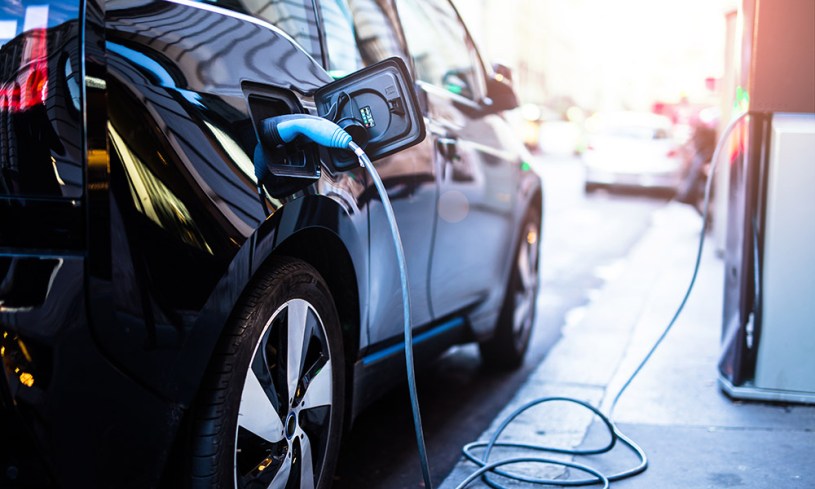
Batteries have long been the silent workhorses of the automotive industry, powering everything from ignition systems in traditional vehicles to full-fledged propulsion in electric cars. As the transportation industry undergoes a major shift toward sustainability, battery technology has become the focal point of innovation and competition.
The evolution of vehicle batteries, from conventional lead-acid units to high-energy lithium-ion packs, has not only improved vehicle performance but also raised concerns about efficiency, longevity, and environmental impact.
In this article, we will explore the types of vehicle batteries, their role in different automobiles, the challenges they face, and the technological advancements shaping the future of mobility.
Understanding Vehicle Batteries: Types and Functions
Traditional Lead-Acid Batteries (For ICE Vehicles)
Lead-acid batteries have been the industry standard for internal combustion engine (ICE) vehicles for over a century. These batteries are primarily responsible for starting the engine and providing power to electrical components like lights, infotainment systems, and sensors.
- Composition: Made of lead plates submerged in sulfuric acid, enabling electrochemical reactions that generate electrical energy.
- Functionality: Designed for short bursts of high current to start the engine but not for prolonged power delivery.
- Pros: Low cost, easy availability, and recyclability.
- Cons: Heavy, limited lifespan (3-5 years), and prone to sulfation when left unused.
Lithium-Ion Batteries (For Electric Vehicles & Hybrids)
Lithium-ion (Li-ion) batteries have revolutionized the automotive industry, becoming the backbone of electric vehicles (EVs) and hybrid models. These batteries store more energy while being lighter and more efficient.
- Composition: Lithium-ion cells contain lithium cobalt oxide or lithium iron phosphate cathodes and graphite anodes.
- Functionality: They store and discharge energy more efficiently, making them ideal for EV propulsion.
- Pros: High energy density, longer lifespan (8-15 years), and faster charging times.
- Cons: Expensive, prone to thermal runaway (overheating), and reliance on scarce materials like cobalt and nickel.
Nickel-Metal Hydride (NiMH) Batteries
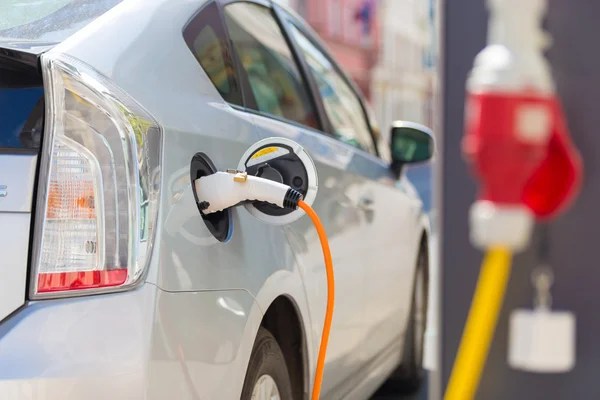
NiMH batteries are commonly used in hybrid vehicles, offering a middle ground between lead-acid and lithium-ion.
- Pros: Better longevity than lead-acid, no lithium-related overheating risks.
- Cons: Lower energy density than lithium-ion, reduced efficiency over time.
Emerging Battery Technologies
The race for better batteries has led to innovations that could replace lithium-ion technology in the future:
- Solid-State Batteries: Higher energy density, faster charging, and improved safety.
- Graphene Batteries: Lightweight with superior conductivity.
- Sodium-Ion Batteries: A cheaper alternative to lithium-ion, currently under development.
Battery Wars: ICE vs. EV vs. Hybrid Batteries
Internal Combustion Engine (ICE) Vehicle Batteries
Lead-acid batteries in ICE vehicles mainly provide power for ignition and accessories but are not designed for deep cycling.
- Challenges: Susceptible to degradation, reduced efficiency in extreme temperatures.
- Future Outlook: Lead-acid batteries will continue to decline in favor of more efficient alternatives.
Electric Vehicle (EV) Batteries
EV batteries must store enough energy to propel the vehicle over long distances, making battery range a key factor in EV adoption.
- Advancements: Lithium iron phosphate (LFP) batteries offer cost savings and safety, while newer chemistries focus on increasing energy density.
- Concerns: Charging speed, weight, and the environmental impact of lithium mining.
Hybrid Vehicle Batteries
Hybrid vehicles use both ICE and battery power, requiring a robust energy storage system.
- Battery Usage: NiMH or lithium-ion batteries store energy from regenerative braking, improving fuel efficiency.
- Challenges: Complex battery management systems and eventual battery degradation.
Comparison: Which Battery Type Wins?
| Battery Type | Energy Density | Lifespan | Cost | Suitability |
| Lead-Acid | Low | 3-5 years | Low | ICE vehicles |
| Lithium-Ion | High | 8-15 years | High | EVs & Hybrids |
| NiMH | Medium | 5-10 years | Medium | Hybrids |
Lithium-ion remains the best choice for EVs, while hybrids benefit from NiMH technology. ICE vehicles continue relying on lead-acid, though alternatives are emerging.
Challenges in Battery Technology
Degradation and Battery Lifespan
Battery performance declines over time due to charge cycles, temperature fluctuations, and chemical wear.
Charging Infrastructure and Time Constraints
Fast charging accelerates battery wear, while slow charging is inconvenient. A robust charging network is essential for widespread EV adoption.
Weight and Space Considerations
EV batteries add significant weight, affecting range and vehicle efficiency. Automakers are exploring lightweight materials and modular battery designs.
Cost and Affordability
Battery production remains expensive, though economies of scale are driving prices down.
Environmental and Ethical Concerns
- Mining for lithium, cobalt, and nickel raises ethical and environmental issues.
- Recycling programs are in early stages but essential for sustainable battery usage.
The Future of Vehicle Batteries
Next-Gen Battery Innovations
- Solid-State Batteries: Safer and longer-lasting but not yet commercially viable.
- Hydrogen Fuel Cells: Potential competitor to EV batteries but requires dedicated infrastructure.
Sustainability and Recycling Efforts
- Second-life applications allow EV batteries to power homes and grids.
- Governments are pushing for improved recycling regulations.
Market Trends and Government Regulations
- Incentives for EV adoption continue to drive battery research.
- Stricter emission laws may force automakers to prioritize battery efficiency.
Conclusion
Batteries are the lifeline of modern transportation, powering everything from gas-powered cars to fully electric vehicles. As technology advances, battery efficiency, sustainability, and affordability will shape the future of mobility. The race for better battery solutions is ongoing, with solid-state and alternative chemistries emerging as potential game-changers.
The battle for battery supremacy is far from over—but one thing is clear: the future of transportation is electric, and batteries will determine how we get there.
 Auto Blog